Desi Bhabhi Siya: Step Sister Fingering Viral Vi Link
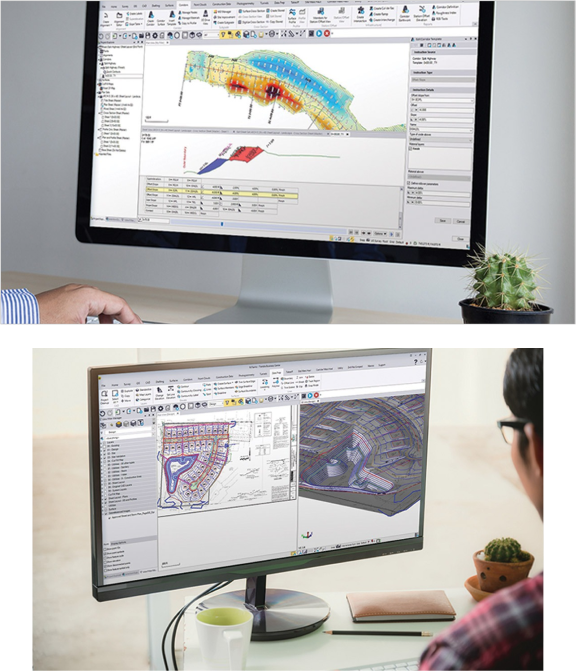
SITE SOFTWARE FOR REAL-TIME INFORMATION.
Trimble® site software can show you real production in real-time. And help you align assets and drive the best results for all your projects.
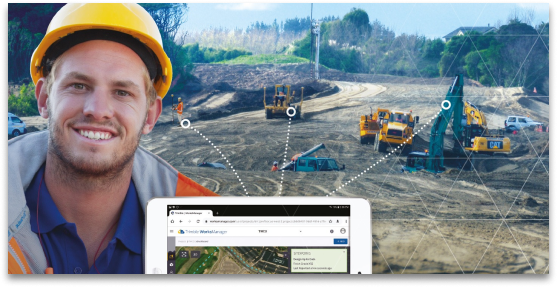
SITE SOFTWARE
STAY INFORMED AND STAY PROFITABLE.
Optimise design-construct processes and collaborate more effectively with designers. Dig into data rich 3D models and you’ll execute projects more efficiently than ever before.
Trimble Stratus
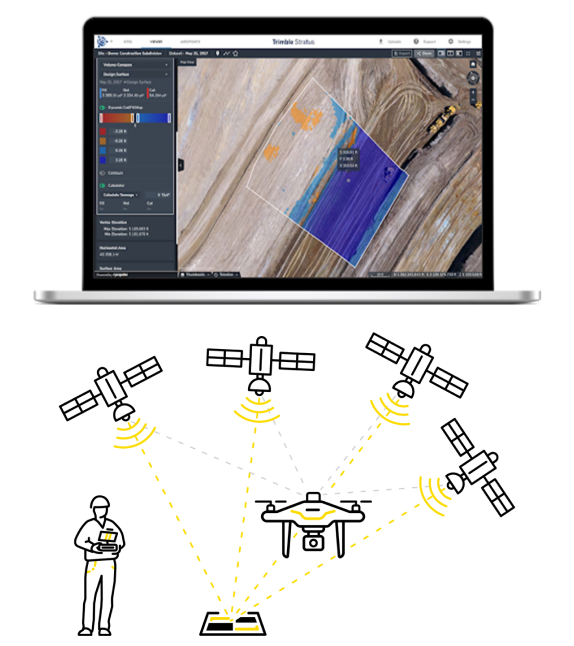
Trimble Stratus is the drone data platform designed specifically for use in construction.
With Trimble Stratus software you can use drones to map, measure and share accurate information about worksites and assets to make quicker decisions, avoid mistakes and grow profits.
You can measure and manage your site, with a clear view of where you are and where you’re headed.
DOWNLOAD:
Trimble Stratus – datasheet
Trimble Worksmanager
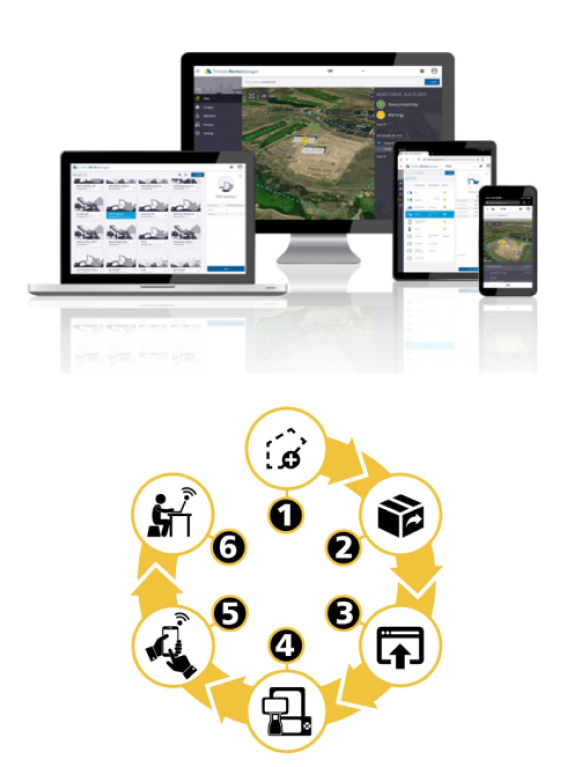
Intuitive, mobile-friendly software to easily manage data and technology assets across project sites. With Trimble® WorksManager, you’re in constant communication with your team, and your machines, without needing to leave the office.
The powerful data hub connects you to the critical information you need to manage and support your remote connected field devices with location updates, status messaging and streaming internet base station corrections. Helping you to get the job done right the first time.
Using WorksManager simplifies the management of your construction projects, from the comfort of your office.
DOWNLOAD:
Brochure
ROI Calculator
Living in a joint family means your mother-in-law knows your bank balance before you do. It means your cousin’s promotion is celebrated like a national holiday, and your cousin’s divorce is discussed with the same intensity as the Cricket World Cup final. desi bhabhi siya step sister fingering viral vi link
The modern landscape of global storytelling is experiencing a massive shift, and at the heart of this evolution is the rich, chaotic, and deeply emotional world of Indian family drama and lifestyle stories. From the multi-generational households of traditional televised soap operas to the nuanced, glossy realities of modern streaming series, narratives centered around Indian family dynamics hold a universal appeal.
In Indian lifestyle stories, the dining table is never just for food. It is the court of law. The father sits at the head; the mother serves, never sits. Arguments about marriage, money, and failure erupt over daal-chawal . Watch Kapoor & Sons —the scene where the grandfather spills secrets during a family dinner is the climax of the film. Food is love, but food is also control.
Some notable examples of Indian family dramas and lifestyle stories include films like "Taare Zameen Par" and "3 Idiots," which explore themes of family, education, and self-discovery. Television shows like "Taarak Mehta Ka Ooltah Chashmah" and "The Kapil Sharma Show" offer a lighter take on family life and social issues, using humor and satire to comment on contemporary Indian society.
Historically, the joint family was the economic and social safety net of Indian society. In stories, it is often portrayed as a double-edged sword. While it offers unparalleled emotional support and a sense of belonging, it can also breed politics, boundary violations, and a lack of privacy. The drama arises when individuals try to carve out their identity within a crowded house, leading to the inevitable shift toward nuclear living. The Burden of "Log Kya Kahenge" (What Will People Say?)
If you want to explore specific angles of these narratives, let me know if you would like to focus on , character archetypes , or historical shifts in Indian media. Share public link Living in a joint family means your mother-in-law
: Stories often follow families working toward a single shared goal, like (as seen in Home Shanti Generational Clashes :
: Arranged marriages remain a significant cultural pillar, frequently driving dramatic narratives. Tension arises when modern romance or inter-caste relationships collide with family expectations or the quest for a "suitable" partner.
Modern lifestyle stories, particularly on streaming platforms, have traded these mansions for realistic spaces. We see middle-class apartments in Mumbai, sprawling ancestral homes in small towns like Gullak, and corporate high-rises in Gurgaon. The struggles are relatable: paying off a home loan, navigating dating apps, dealing with nosy neighbors, and managing long commutes. Festivals and Food as Cultural Anchors
In the early 2000s, pioneer creators like Ekta Kapoor redefined Indian television with larger-than-life mansions, heavy silk sarees, and immaculate makeup worn even to bed. Today, that opulence has evolved. While high-net-worth family dramas (like Karan Johar films or Amazon Prime’s Made in Heaven ) still feature designer wardrobes and destination weddings, modern lifestyle stories also embrace raw, authentic realism. From Mansions to Middle-Class Relatability
TRIMBLE SITEWORKS SOFTWARE
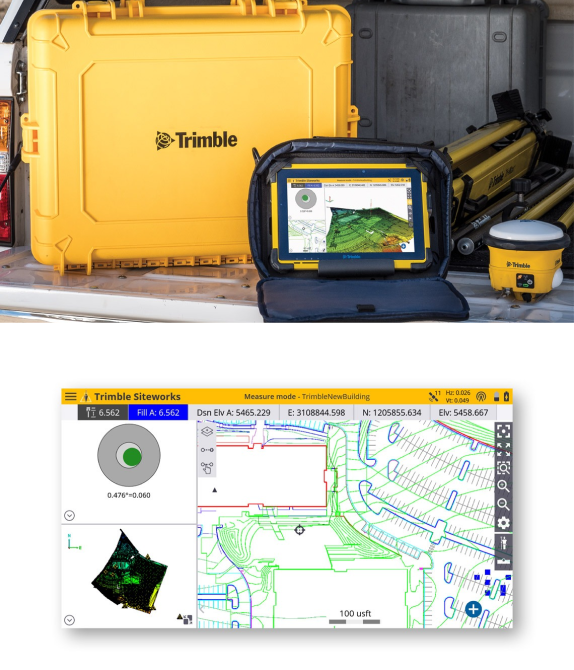
The Trimble Siteworks software has been designed for Construction Surveyors and Supervisors. It has a modern interface that is optimised for ease-of-use and productivity. Colourful graphics, natural interactions and gestures make Siteworks intuitive and easy to learn.
You can personalise the interface to match your workflow and configure views to suit your needs.
Siteworks software runs on Trimble Tablets, and the Trimble TSC7 Controller for site positioning tasks. It also powers the Trimble Site Positioning System portfolio and a range of positioning sensors:
Trimble SPS986 GNSS Smart Antenna
Trimble SPS785 GNSS Smart Antenna
Trimble SPS855 GNSS Modular Receiver
Trimble SPS730 and SPS930 Universal Total Stations
Trimble SPS620 and SPS720 Robotic Total Stations
DOWNLOAD: The father sits at the head; the mother serves, never sits
VISIONLINK UNIFIED SUITE
VisionLink® offers a unified view of health, location and productivity for the entire fleet, regardless of manufacturer. VisionLink Unified Suite applications are mobile-ready with faster and better performance.
Easily navigate through the intuitive interface and leverage telematics device
information to improve your return on investment. VisionLink provides actionable information for key decision-making to help you improve your bottom line.
VisionLink Unified Suite applications include Unified Fleet, Unified Service, Unified Productivity and Administrator.
DOWNLOAD:
Fleet and Asset Management Datasheet
Material Monitoring and Tracking Datasheet
Landfill Datasheet
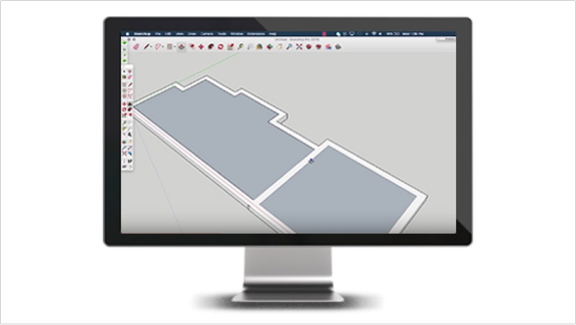
TRIMBLE SKETCHUP
Simplify your build by thinking through and communicating your projects in 3D with SketchUp. A 3D model is perfect for visualising complex site conditions, structural connections, and building systems. Every minute you spend validating details and creating clear 3D drawings to explain them saves time and money in rework and delays.
LayOut in SketchUp Pro lets you add model views to pages, choose drawing scales, adjust line weights, and add dimensions, callouts, and graphics. Make a change to your SketchUp model, and find it reflected automatically in LayOut. And when it’s time, export pages as PDFs, images and CAD files.
You can customise SketchUp with hundreds of pre-built add-on tools to of solve typical modelling problems.
DOWNLOAD:
Watch Sketchup in action
TRIMBLE FILE FLIPPER
File Flipper is a design file converter that allows users to convert design data between the Trimble GCS900 and Trimble Earthworks file and folder structure.
It allows you to import single design, calibration and geoid files and put those files into the correct folder structure in order to use them with the Trimble GCS900 or Trimble Earthworks Machine Control software.
Trimble File Flipper will run on the TD520 display as well as third-party tablets and phones running Android 5 and above.
DOWNLOAD:
Free File Flipper
Android App