The analyst visits ://shop.com and notes a normal product page.
The search phrase is more than a random collection of characters. It is a snapshot of the oldest trick in the web attacker’s playbook—and a reminder that many online shops remain dangerously exposed. By understanding what this query means, you can learn to recognise the signs of SQL injection and take decisive action to protect your customers and your business.
The trend is toward clean URLs without query strings. For example, example.com/product/123 instead of index.php?id=123 . For those shops, you would use a different dork: inurl:/product/ or inurl:?p= . Adapt your approach. inurl index php id 1 shop better
Customers will abandon a brand that fails to protect their personal information.
Let’s dissect the keyword piece by piece: The analyst visits ://shop
The search phrase inurl:index.php?id=1 shop better serves as a digital window into the evolution of web development. While it highlights the functional simplicity of dynamic database routing, it also underscores the critical vulnerabilities inherent in legacy coding practices. For modern online businesses, moving away from raw parameter strings toward secure routing and parameterized databases is an essential step toward protecting customer data and building an optimized online storefront. Share public link
The default execution file for many PHP-based web applications, indicating the core framework language. By understanding what this query means, you can
Unlocking the Mechanics of Vulnerability: Understanding Google Dorks and E-Commerce Security
These keywords narrow the search results down to e-commerce storefronts, online marketplaces, or digital shopping directories. The Architecture Behind the URL
If a web application accepts the input id=1 directly from the URL and passes it to the database without validation or sanitization, it creates a severe security flaw. An attacker can alter the URL parameter to execute unauthorized database commands. Typical Vulnerability Testing Workflow
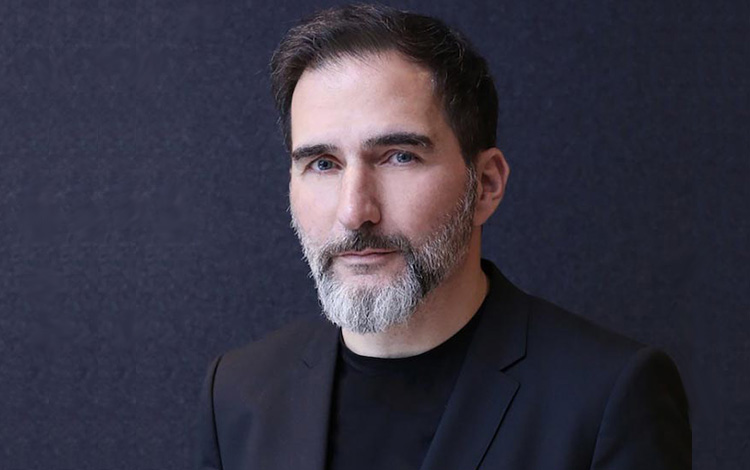
Cohn+Duprat
Luego de cinco años en México como Head of Fiction de Fremantle Latinoamérica, Manuel Martí regresó a Buenos Aires en 2025 como productor ejecutivo en Cohn+Duprat en el desarrollo de series y películas. El ejecutivo construyó gran parte de su carrera como director de Desarrollo y Producción Internacional de Polka, empresa en la que trabajó desde 2014. Bajo su cargo se hicieron producciones como Signos y El jardín de bronce, entre otras. Martí también trabajó en Turner durante ocho años en el área de Producción. Anteriormente fue director de La Produ y director creativo de Rock & Pop TV.
