The cornerstone of Wojtyła’s argument is the : “A person is an entity for which the only proper and adequate attitude is love.” This principle rejects any treatment of another human being as a mere means to an end (e.g., pleasure, convenience, or social status). Responsibility, in this framework, means recognizing that the beloved is a subject—a free, rational being with their own inner life and eternal destiny. To love responsibly is to will the true good of the other person, not merely to enjoy them. Wojtyła distinguishes this from the “utilitarian” attitude, which reduces the person to an object of potential use.
This grounding in human experience is what makes Love and Responsibility so compelling. It is not a dry, abstract treatise but a dynamic exploration of the human heart’s deepest question: “how can I find happiness in love?”. The book would later serve as a philosophical foundation for his more famous Theology of the Body , a series of 129 general audience addresses delivered from 1979 to 1984.
The physical, emotional, and sexual reaction to a person's body as a potential source of pleasure. While natural, sensuality is consumerist by nature; it sees the other as an object of desire.
The foundational pillar of the entire book is what Wojtyła terms the . This principle is the negative and positive formulation of how human beings ought to treat one another. The Negative Formulation
The central argument of the book is that love is a function of the , not just a fleeting emotion.
True love is not a single feeling, but an integrated whole comprising four essential dimensions. A relationship lacking any one of these dimensions is incomplete and ultimately unstable.
The fundamental principle of the book is the , which states:
Through these interactions, Wojtyła witnessed the challenges young people faced regarding love, marriage, and sexuality. He realized that traditional Catholic teaching on morality was often presented as a list of arbitrary prohibitions.
(utilitarianism). Authentic love requires treating the other person as a subject with their own ends, never as a tool for one’s own pleasure or self-interest. : Because human beings are created in the image of God (
Before accessing a PDF version, ensure that you're obtaining it from a legitimate source to respect the author's and publisher's rights.
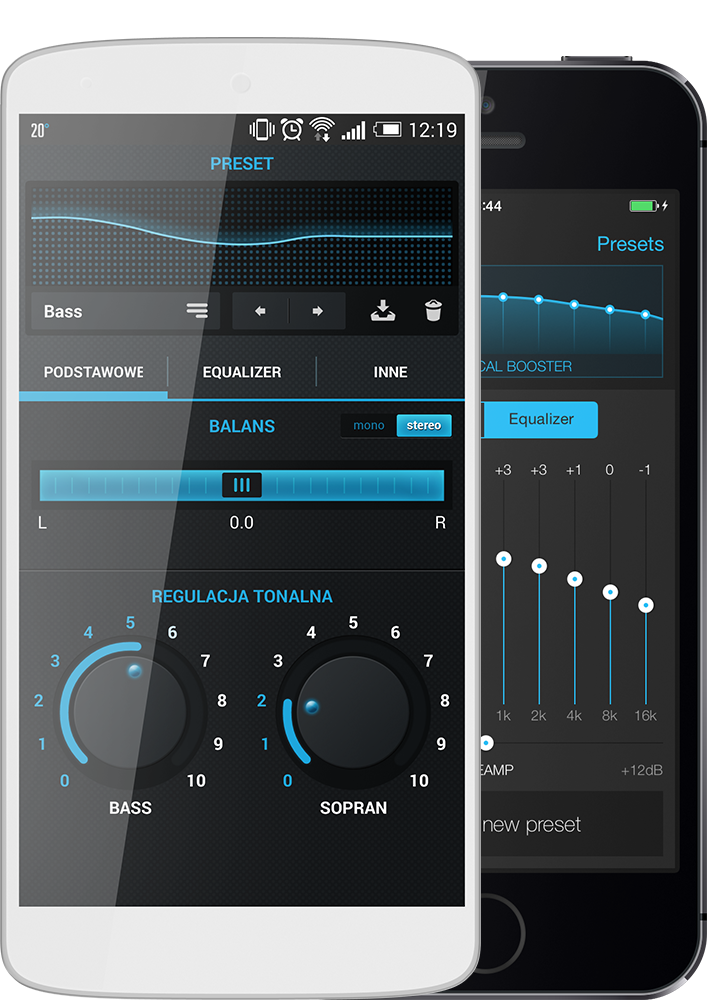
Have you ever wanted to make your favourite music sound even better? Now it is possible thanks to various audio equalization modules located in the n7player.
The cornerstone of Wojtyła’s argument is the : “A person is an entity for which the only proper and adequate attitude is love.” This principle rejects any treatment of another human being as a mere means to an end (e.g., pleasure, convenience, or social status). Responsibility, in this framework, means recognizing that the beloved is a subject—a free, rational being with their own inner life and eternal destiny. To love responsibly is to will the true good of the other person, not merely to enjoy them. Wojtyła distinguishes this from the “utilitarian” attitude, which reduces the person to an object of potential use.
This grounding in human experience is what makes Love and Responsibility so compelling. It is not a dry, abstract treatise but a dynamic exploration of the human heart’s deepest question: “how can I find happiness in love?”. The book would later serve as a philosophical foundation for his more famous Theology of the Body , a series of 129 general audience addresses delivered from 1979 to 1984.
The physical, emotional, and sexual reaction to a person's body as a potential source of pleasure. While natural, sensuality is consumerist by nature; it sees the other as an object of desire. love and responsibility john paul ii pdf
The foundational pillar of the entire book is what Wojtyła terms the . This principle is the negative and positive formulation of how human beings ought to treat one another. The Negative Formulation
The central argument of the book is that love is a function of the , not just a fleeting emotion. The cornerstone of Wojtyła’s argument is the :
True love is not a single feeling, but an integrated whole comprising four essential dimensions. A relationship lacking any one of these dimensions is incomplete and ultimately unstable.
The fundamental principle of the book is the , which states: The book would later serve as a philosophical
Through these interactions, Wojtyła witnessed the challenges young people faced regarding love, marriage, and sexuality. He realized that traditional Catholic teaching on morality was often presented as a list of arbitrary prohibitions.
(utilitarianism). Authentic love requires treating the other person as a subject with their own ends, never as a tool for one’s own pleasure or self-interest. : Because human beings are created in the image of God (
Before accessing a PDF version, ensure that you're obtaining it from a legitimate source to respect the author's and publisher's rights.