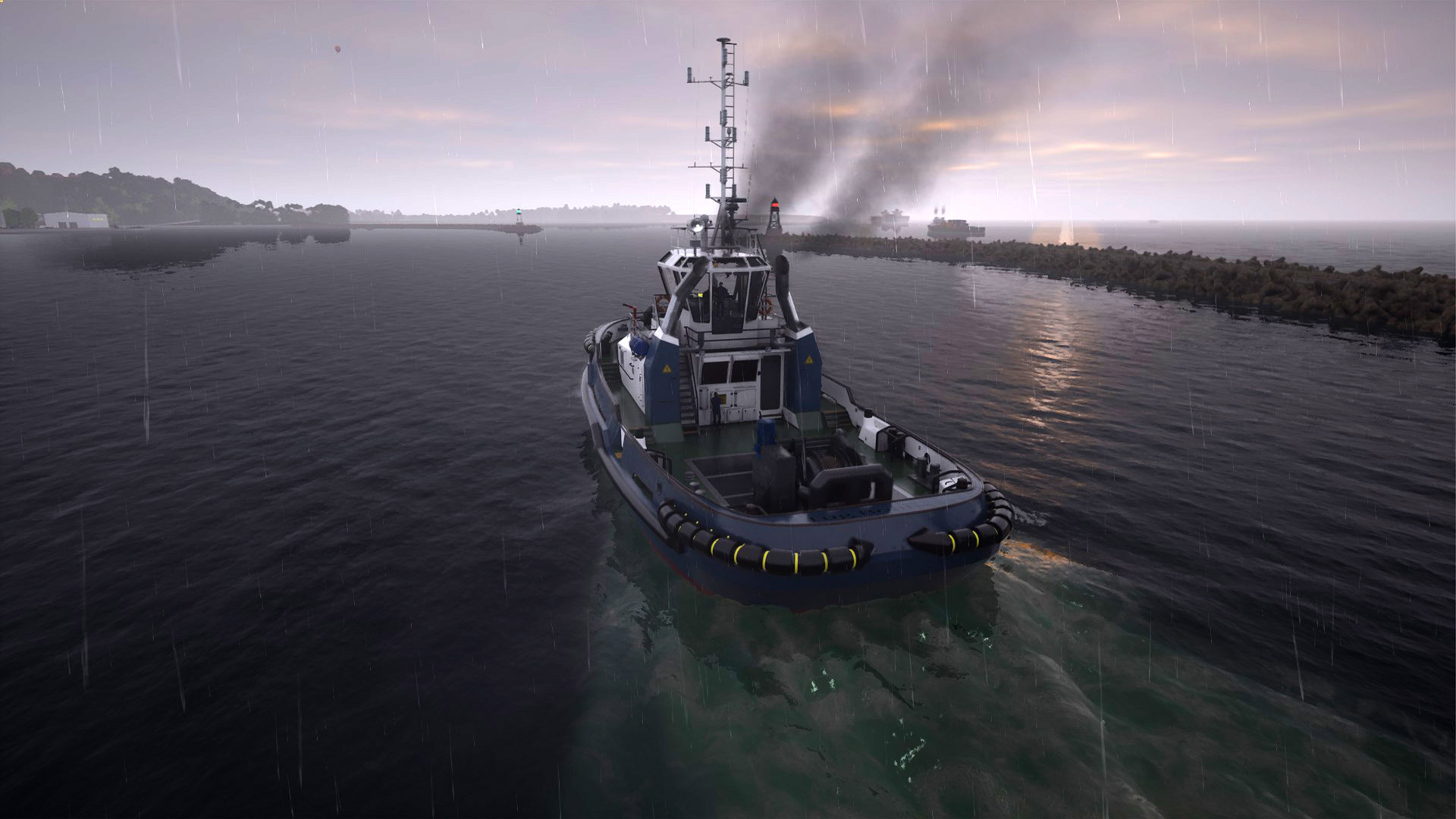
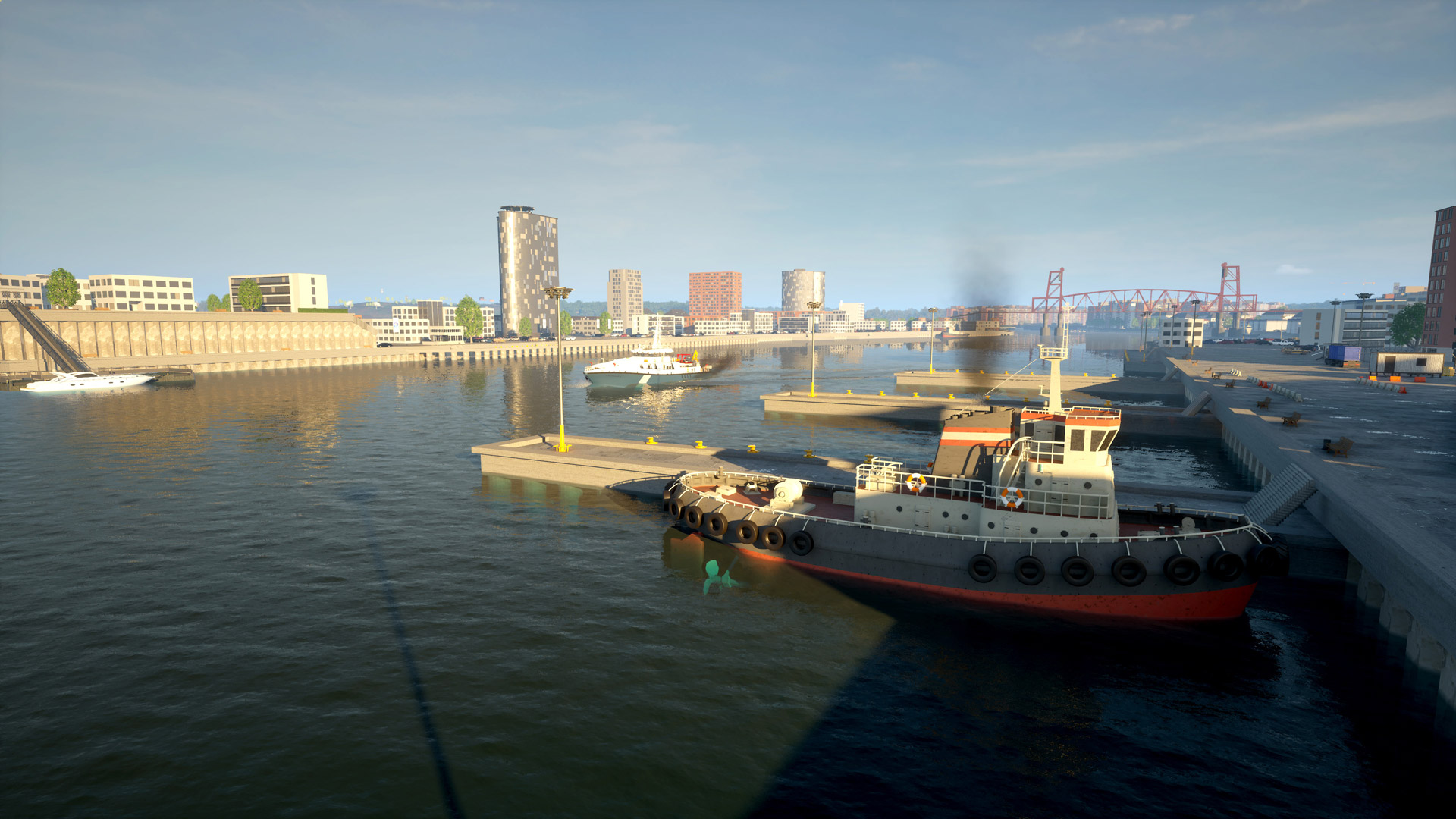
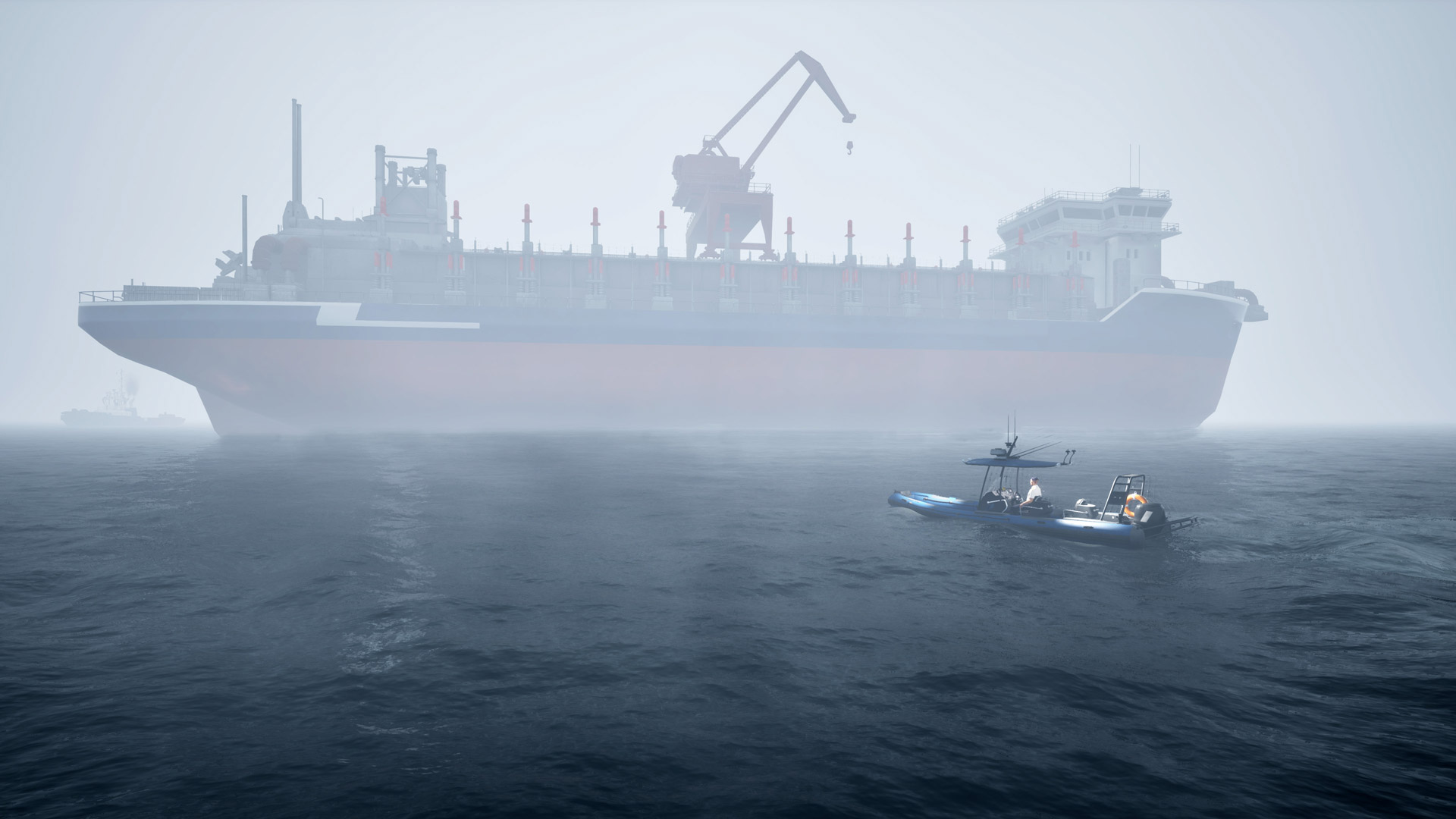
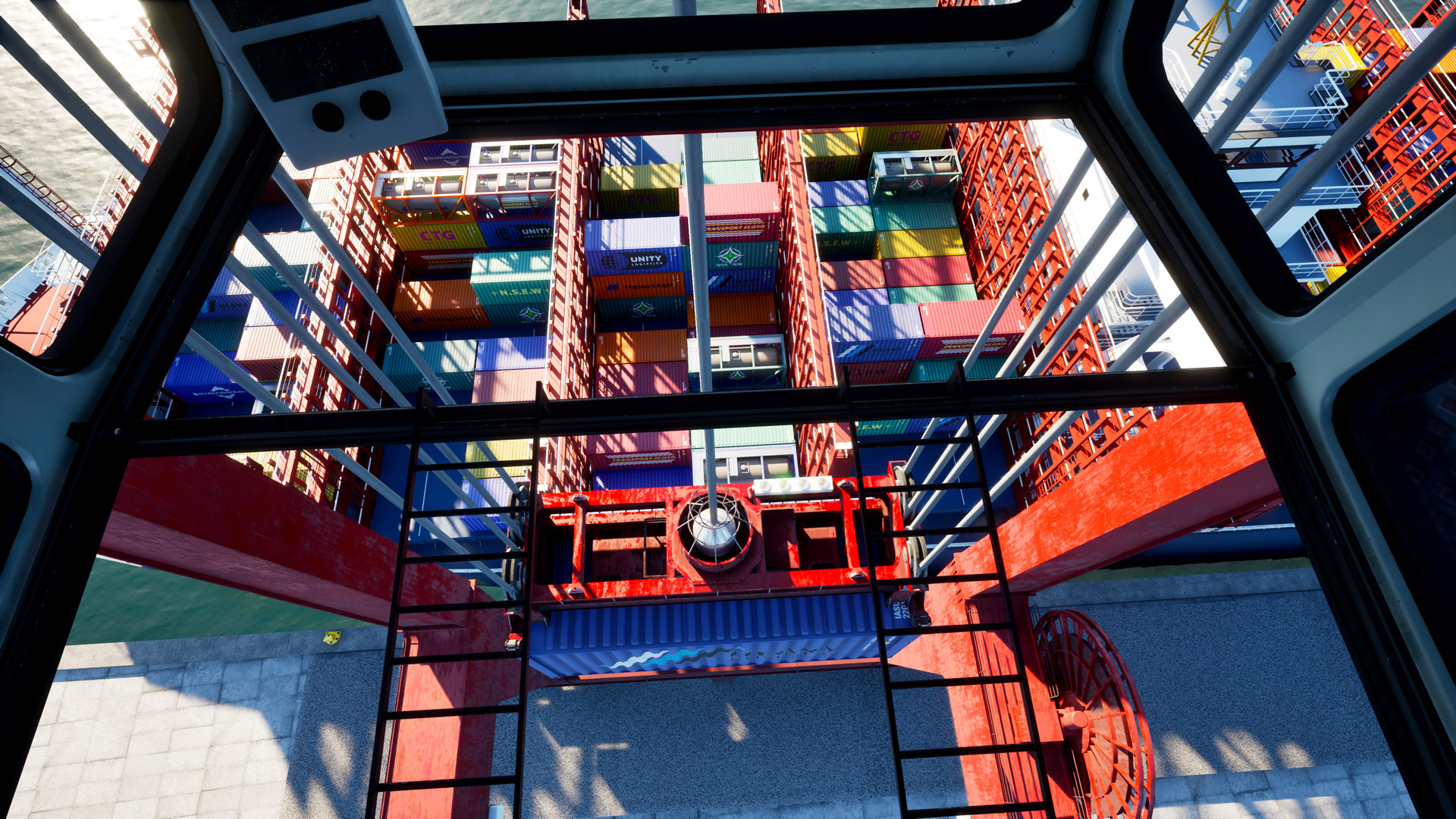
Feel the wind in your face, the deck beneath your feet and the salt on your lips.
Seafarer: The Ship Sim is in Early Access. We’d love for you to come aboard and launch your maritime career with us. The world, the ships, and the systems will grow update by update, and you’re invited to watch and shape that journey as it happens.
We want you to enjoy life at sea. This isn't a high-realism work training simulator in which you have to memorise every bolt or tick off endless checklists before you even start the engine. Our goal is simple: Take things at your own pace on a huge open map. Follow a career path or jump straight into the action in quick play. It’s your call.
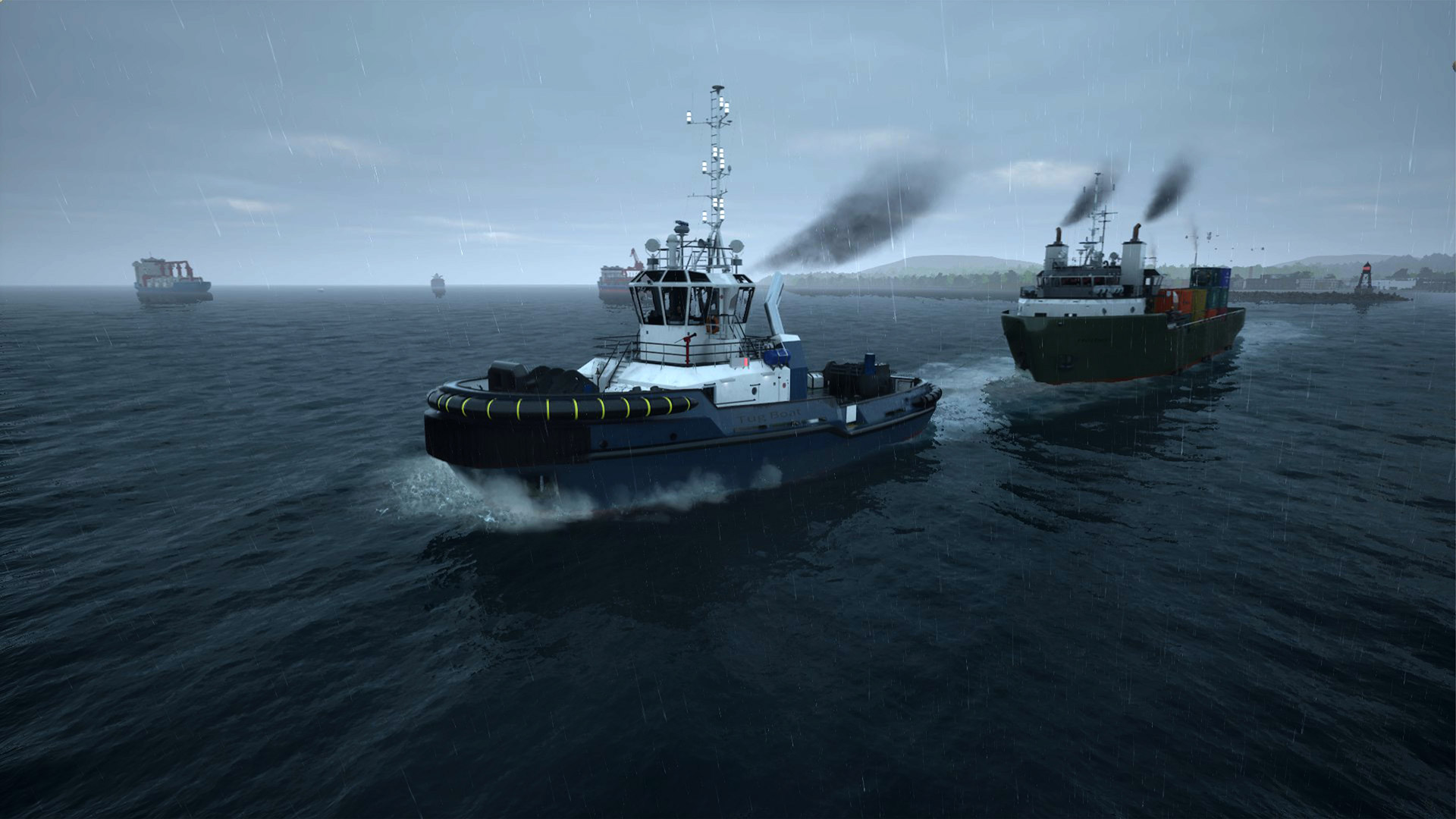
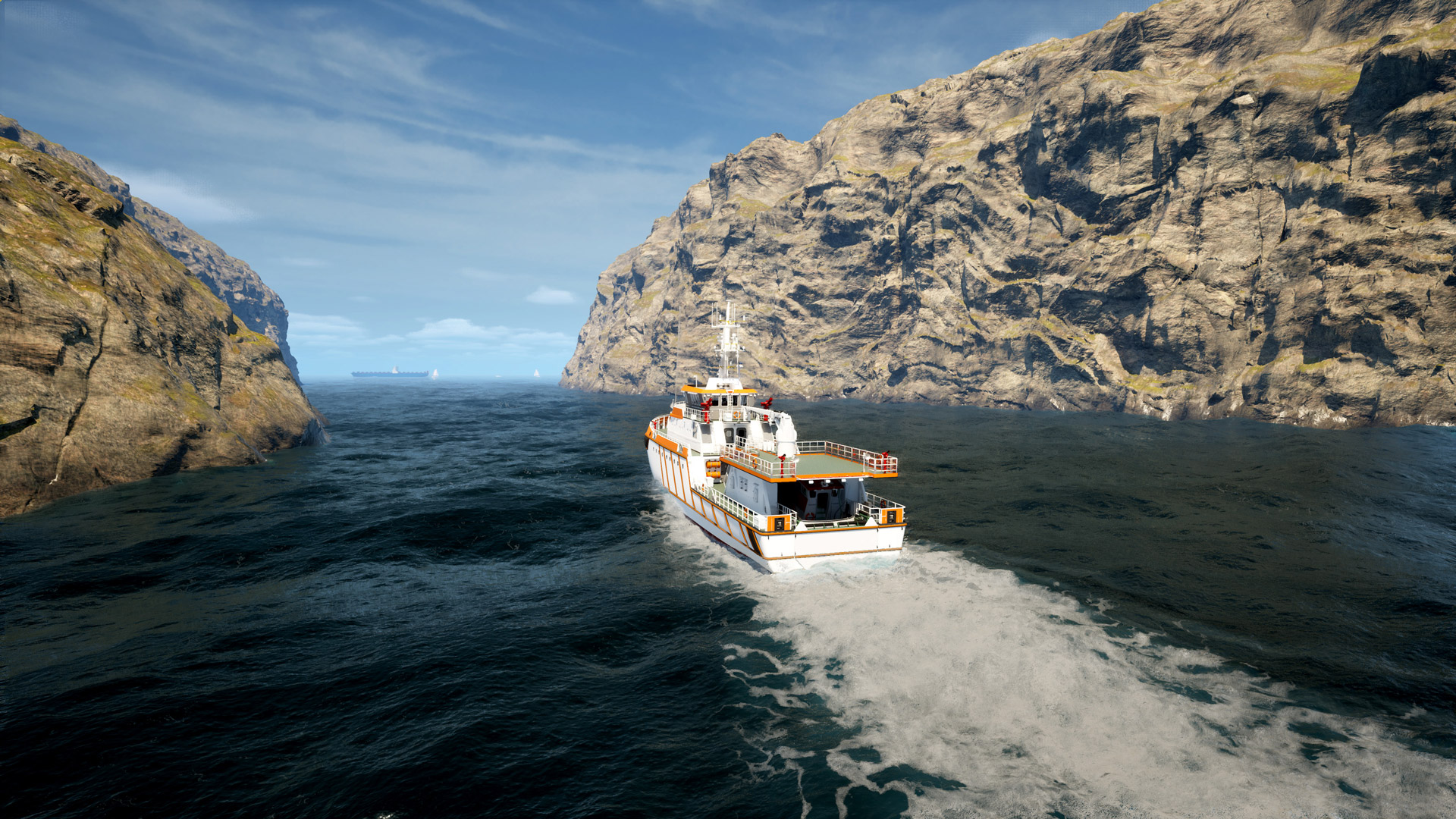
No two days on the water are the same. Calm sunrises over quiet seas can turn into rough storms without warning. Dynamic waves, changing weather, and unexpected encounters make every voyage feel a little different and, hopefully, memorable.
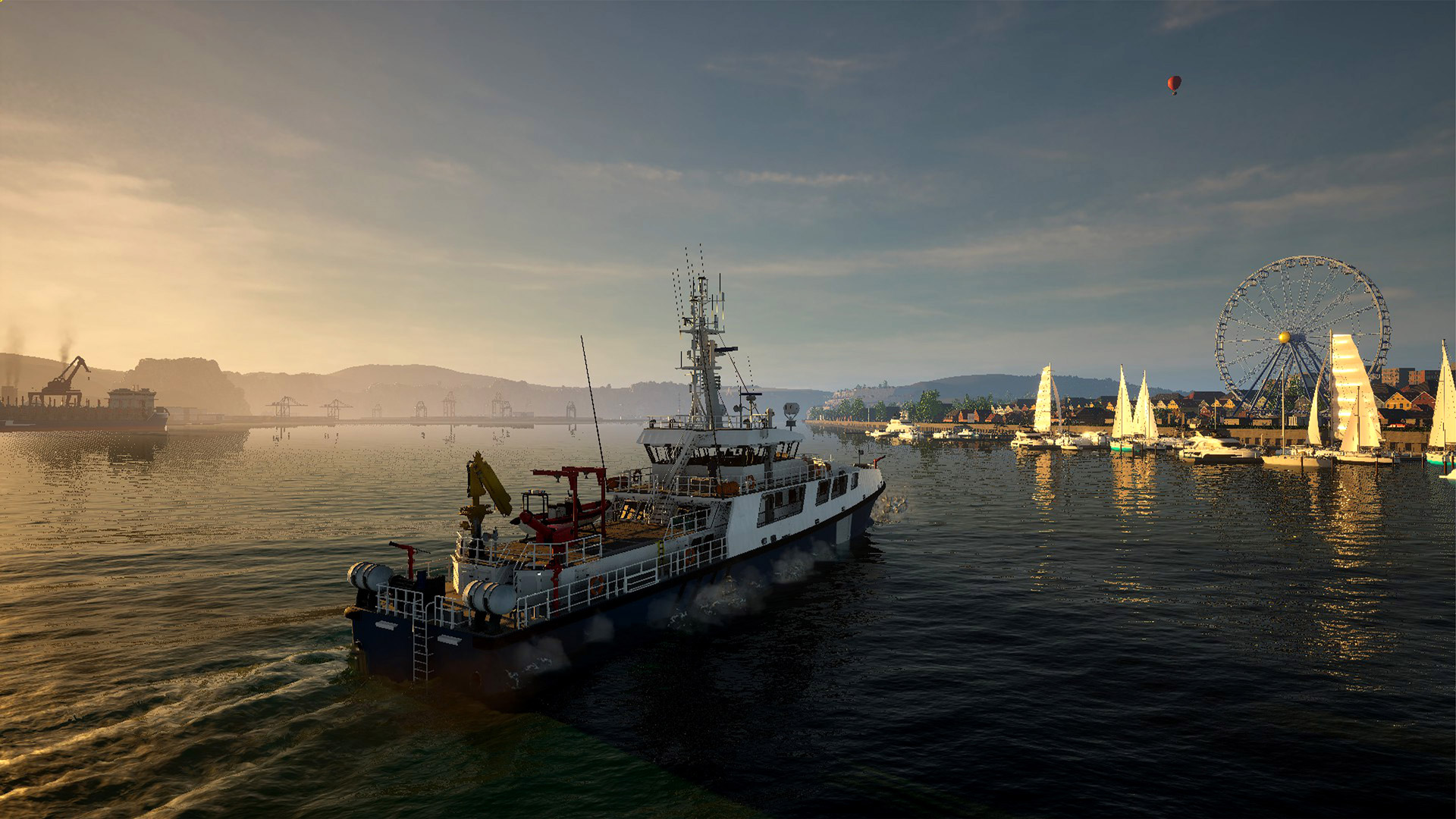
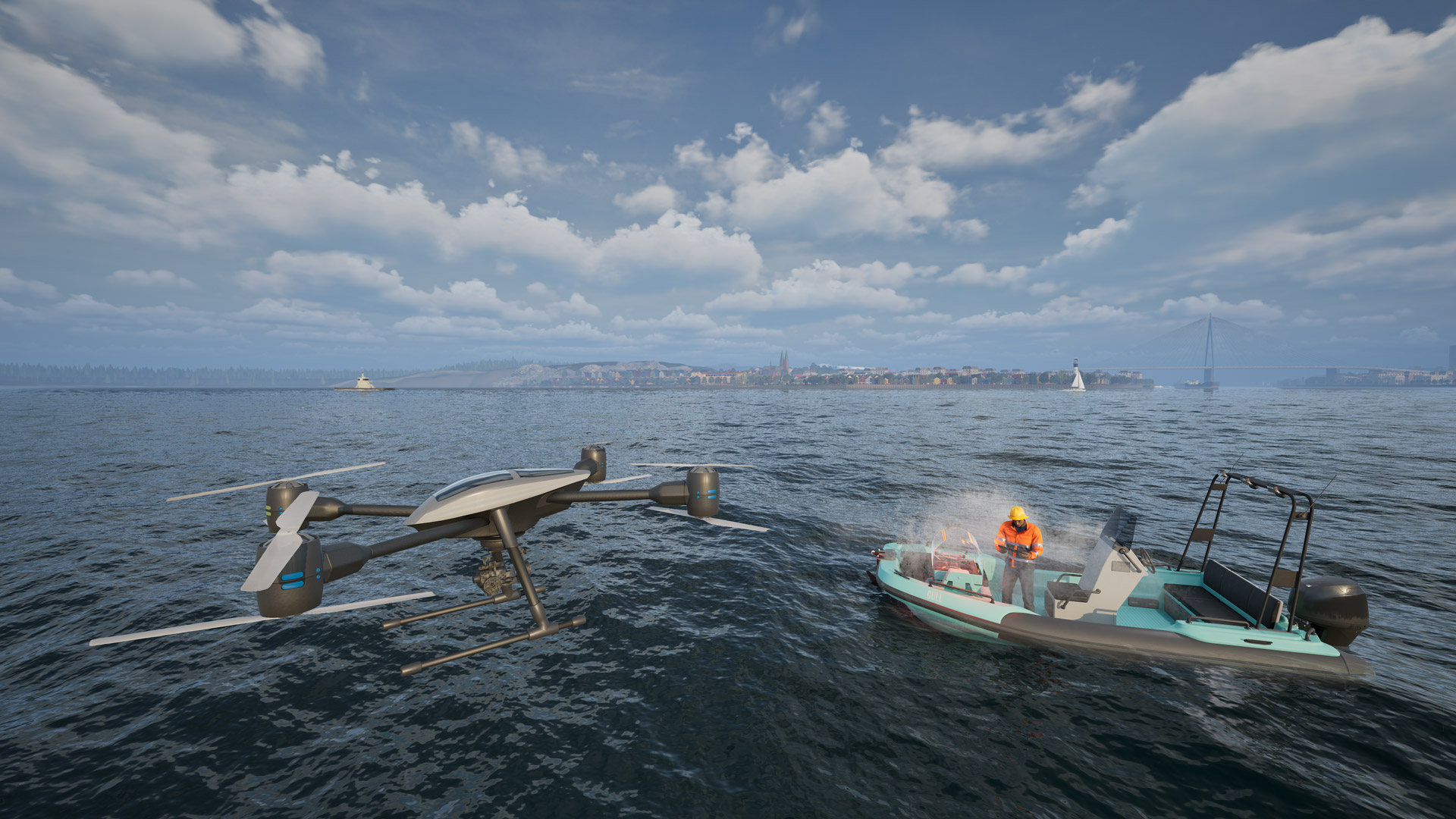
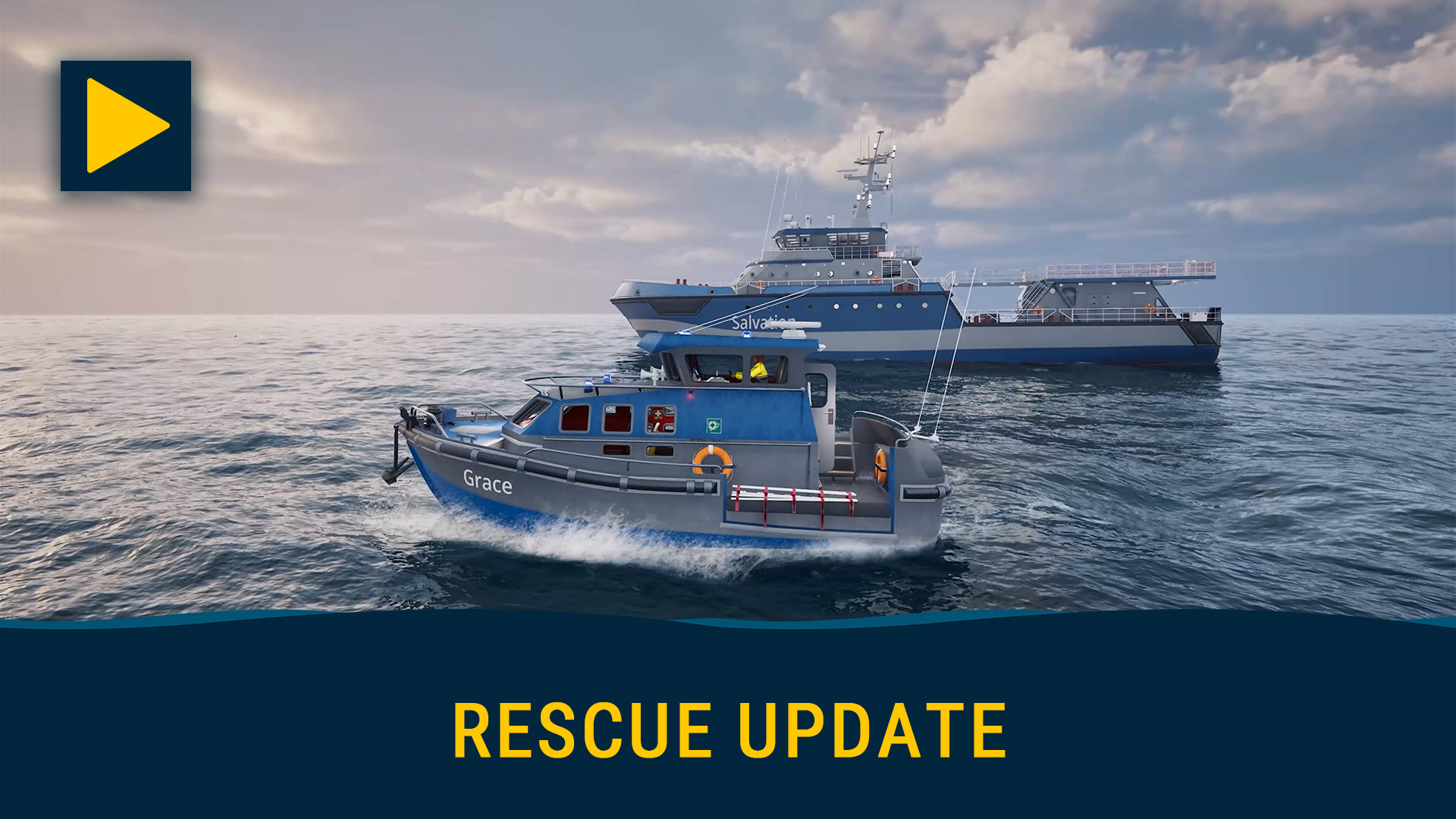
Choose from a growing fleet of vessels that range from small work boats to true giants of the sea. Patrol harbours and coastlines, load containers and bulk cargo with massive cranes, transport delicate LNG, answer distress calls, rescue stranded crews, fight fires, salvage lost freight, or guide huge ships safely into dock.
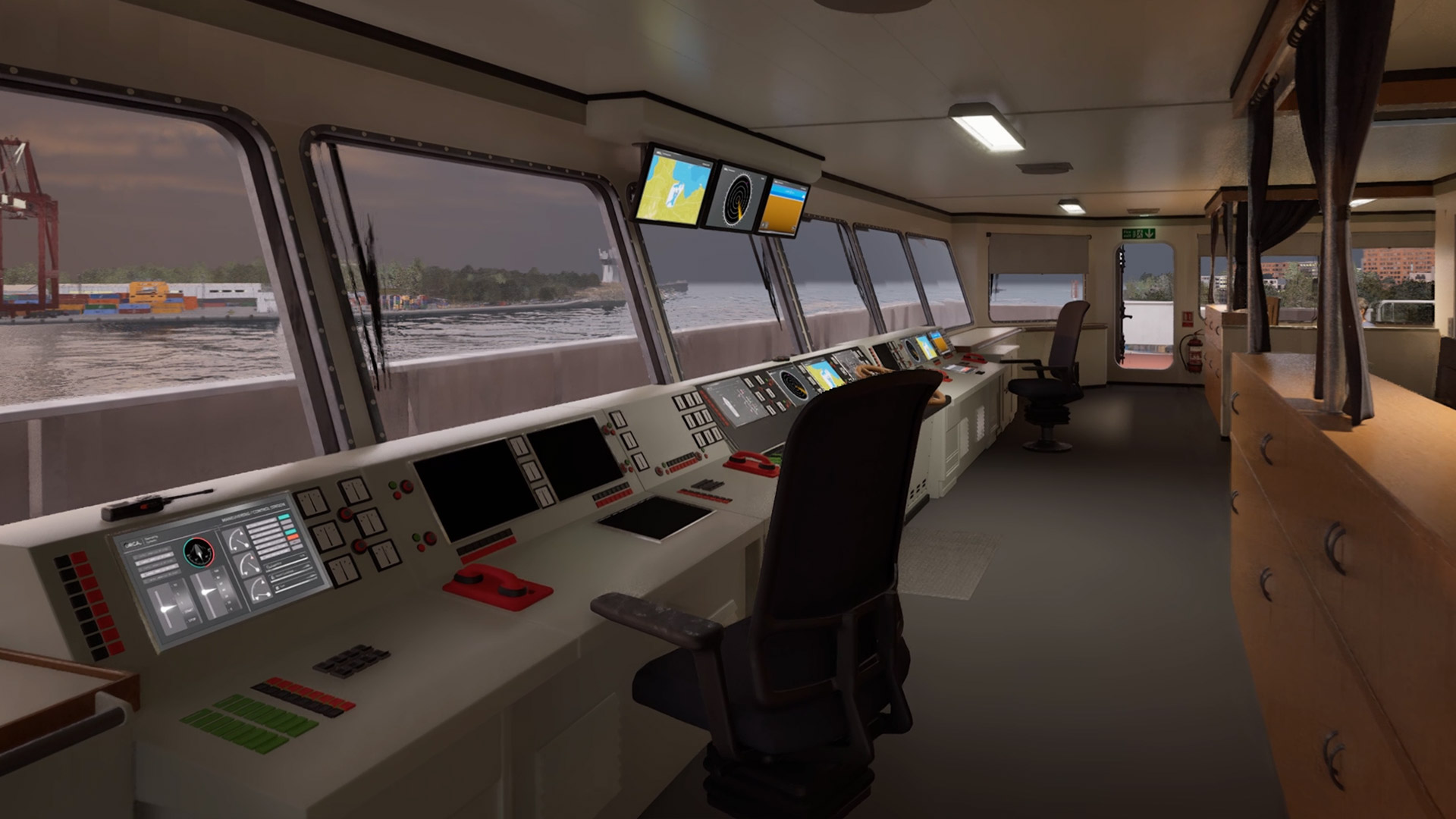
Or simply just enjoy the view from the bridge and snap a few pics.
Check out the roadmap to see what’s coming next. New vessels and features are on the way, while existing systems continue to be refined and polished. Multiplayer and ship customisation are also on the horizon.
Early Access means we’re building this together. Your feedback, ideas, and reports genuinely help plot the course ahead. Join us on this voyage through the sometimes stormy seas of development and let’s aim for smooth sailing toward full release.

The "designxls" approach to ogee spillways offers distinct advantages that make it demonstrably better than traditional methods:
are the coordinates of the spillway profile (with the origin at the highest point of the crest). Hdcap H sub d is the design head.
. This allows the spreadsheet to automatically plot a Spillway Rating Curve, helping operators understand how the structure behaves during under-design and over-design flood events. Tab 4: CAD Data Export ogee spillway designxls better
Where ( K ) and ( n ) depend on the upstream slope. For a vertical upstream face (common in gravity dams), the equation simplifies to ( X^1.85 = 2 \cdot H_d^0.85 \cdot Y ). Creating a smooth ogee shape requires calculating multiple X,Y coordinates from this equation. An Excel sheet allows you to populate a precise table of coordinates instantly and include a plot to visualize the curve for any design head ( H_d ).
The ogee spillway itself represents centuries of hydraulic engineering wisdom — from Leonardo da Vinci's early weir observations to the empirical studies of the US Army Corps of Engineers. Excel spreadsheets, in turn, represent the most powerful calculation tool ever accessible to individual engineers. The "designxls" approach to ogee spillways offers distinct
: Discharge coefficient (typically ranging from 2.1 to 2.2 in metric units)
Mixing Metric (SI) and US Customary units will ruin hydraulic calculations. Solution: Dedicate your workbook strictly to one unit system, and use explicit text labels on every single cell. This allows the spreadsheet to automatically plot a
— Tailwater submergence reduces discharge capacity. If downstream conditions can back up onto the spillway, your spreadsheet must account for this through reduced discharge coefficients or submerged weir equations.
): The height of the spillway crest above the natural riverbed or reservoir floor. Section 2: Core Hydraulic Engine This section houses the formulas that interpret the inputs. Computing to find the velocity head (
This public link is valid for 7 days and shares a thread, including any personal information you added. This link or copies made by others cannot be deleted. If you share with third parties, their policies apply. Can’t copy the link right now. Try again later.
is the design head, and K and n are constants based on the slope of the downstream face.
Subscribe to our newsletter to get the latest news of Seafarer: The Ship Sim right in your inbox. Please note that you have to confirm your subscription before receiving our newsletter.
The "designxls" approach to ogee spillways offers distinct advantages that make it demonstrably better than traditional methods:
are the coordinates of the spillway profile (with the origin at the highest point of the crest). Hdcap H sub d is the design head.
. This allows the spreadsheet to automatically plot a Spillway Rating Curve, helping operators understand how the structure behaves during under-design and over-design flood events. Tab 4: CAD Data Export
Where ( K ) and ( n ) depend on the upstream slope. For a vertical upstream face (common in gravity dams), the equation simplifies to ( X^1.85 = 2 \cdot H_d^0.85 \cdot Y ). Creating a smooth ogee shape requires calculating multiple X,Y coordinates from this equation. An Excel sheet allows you to populate a precise table of coordinates instantly and include a plot to visualize the curve for any design head ( H_d ).
The ogee spillway itself represents centuries of hydraulic engineering wisdom — from Leonardo da Vinci's early weir observations to the empirical studies of the US Army Corps of Engineers. Excel spreadsheets, in turn, represent the most powerful calculation tool ever accessible to individual engineers.
: Discharge coefficient (typically ranging from 2.1 to 2.2 in metric units)
Mixing Metric (SI) and US Customary units will ruin hydraulic calculations. Solution: Dedicate your workbook strictly to one unit system, and use explicit text labels on every single cell.
— Tailwater submergence reduces discharge capacity. If downstream conditions can back up onto the spillway, your spreadsheet must account for this through reduced discharge coefficients or submerged weir equations.
): The height of the spillway crest above the natural riverbed or reservoir floor. Section 2: Core Hydraulic Engine This section houses the formulas that interpret the inputs. Computing to find the velocity head (
This public link is valid for 7 days and shares a thread, including any personal information you added. This link or copies made by others cannot be deleted. If you share with third parties, their policies apply. Can’t copy the link right now. Try again later.
is the design head, and K and n are constants based on the slope of the downstream face.