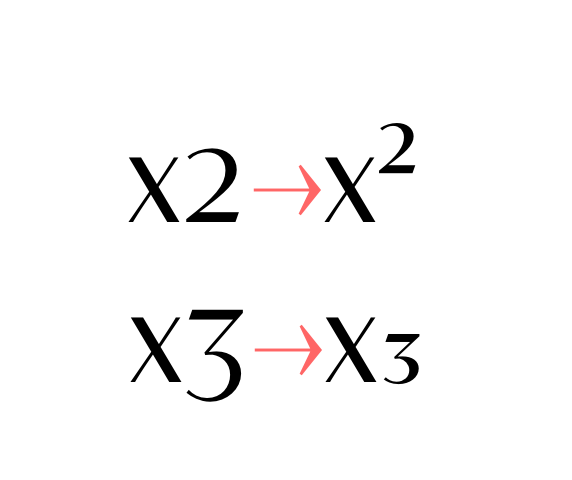
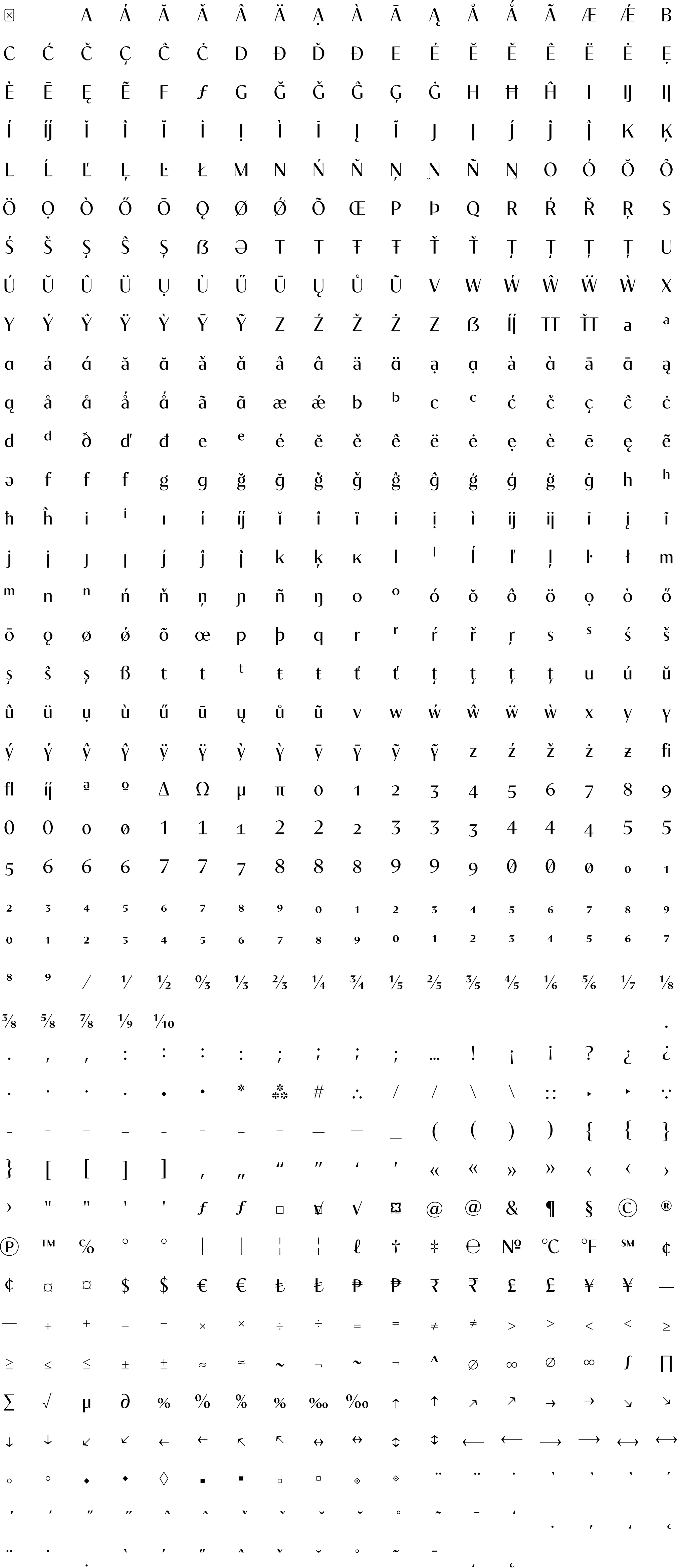
Contralto is a high contrast sans-serif font family, crafted to look elegant but contemporary thanks to soft humanist shapes mixed with sharp geometric details.
Contralto comes in 40 styles: 5 weights × italics × 4 optical sizes, to help optimising contrast and readability. However, you can also use them to fine tune the mood of your graphical composition.
Contralto’s generous character set and Opentype features let you meet the most demanding layout needs and lets your creativity fly!
Download the Contralto Specimen --> 
Sentinel Dongle Clone ~upd~ Jun 2026
Days blurred. She lost track of which heartbeat belonged to her and which to her soldering iron. Then came a test: plug the emulator into an engineering system and try to unlock a diagnostic mode the vendor reserved for technicians who’d paid for it. The host blinked, transmitted a challenge, and for an instant everything in Mara’s workshop held its breath. The emulator answered. The host returned an acceptance byte. A diagnostic menu unfurled on the console like a rose.
Operating systems frequently update their driver signature requirements. A custom-built Sentinel emulator that works on Windows 10 may completely crash a system or cause Blue Screens of Death (BSOD) after a routine Windows 11 security update. The Modern Alternative: Software-Based Licensing
Full hardware emulation ensures the software cannot distinguish between the original USB key and the clone. A proper implementation includes:
They utilize advanced encryption, secure algorithms, and unique identifiers to prevent simple copying. What is Sentinel Dongle Cloning? sentinel dongle clone
Are you a looking to see how secure these keys are?
This is where the clone is brought to life. Instead of creating a physical replica of the hardware, the goal is to create a software emulator that tricks the target software into believing a real dongle is attached.
If you’re dealing with a lost or broken dongle, consider these legal alternatives: Days blurred
Most modern software vendors have transitioned away from physical hardware. They now offer alternatives. Ask your vendor to convert your physical Sentinel HL key into a software-based activation code or a cloud-linked user account. 2. Utilize Network USB Dongle Servers
The most widely discussed method for bypassing a Sentinel dongle is software emulation. This process does not physically copy the hardware but creates a virtual copy that runs on a computer's operating system. The toolchain often involves:
As long as these dongles have existed, users and organizations have sought ways to replicate them. The phrase refers to the process of creating a functional software or hardware duplicate of a physical Sentinel security key. The host blinked, transmitted a challenge, and for
The era of the simple "Sentinel clone" is ending. With the rise of and Trusted Platform Modules (TPMs) , physical keys are moving into the cloud. We are already seeing "Cloud Dongles" where the license is checked every 30 seconds via HTTPS.
If the vendor still sells support, cloning is illegal. If the vendor is extinct, cloning is usually tolerated as "preservation."
An emulator is a specialized Windows kernel driver that acts as a bridge.