Sexuality In Commercial Media Past To Present 14th Editiontxt Better - Teenage Female Nudity And
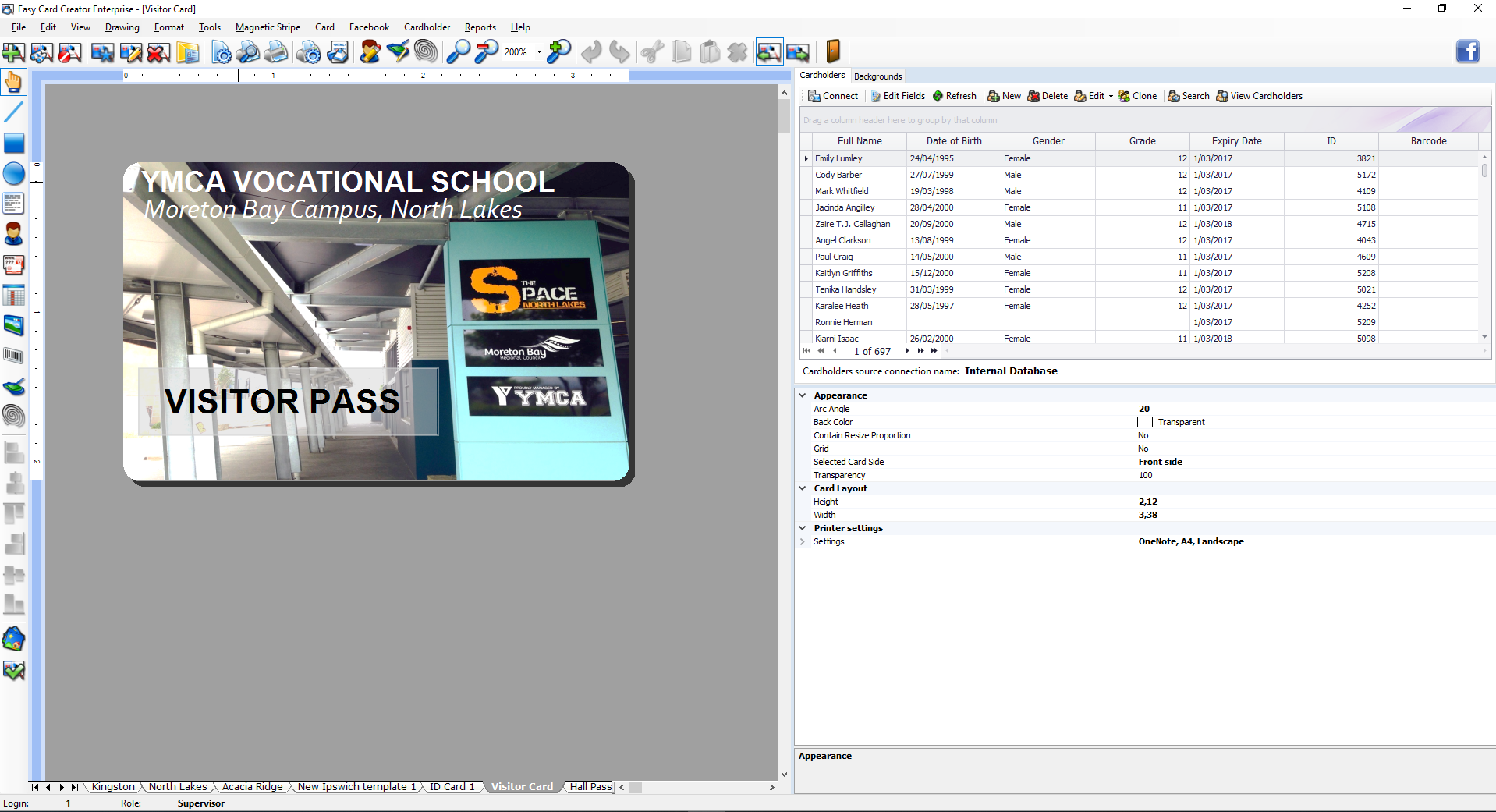
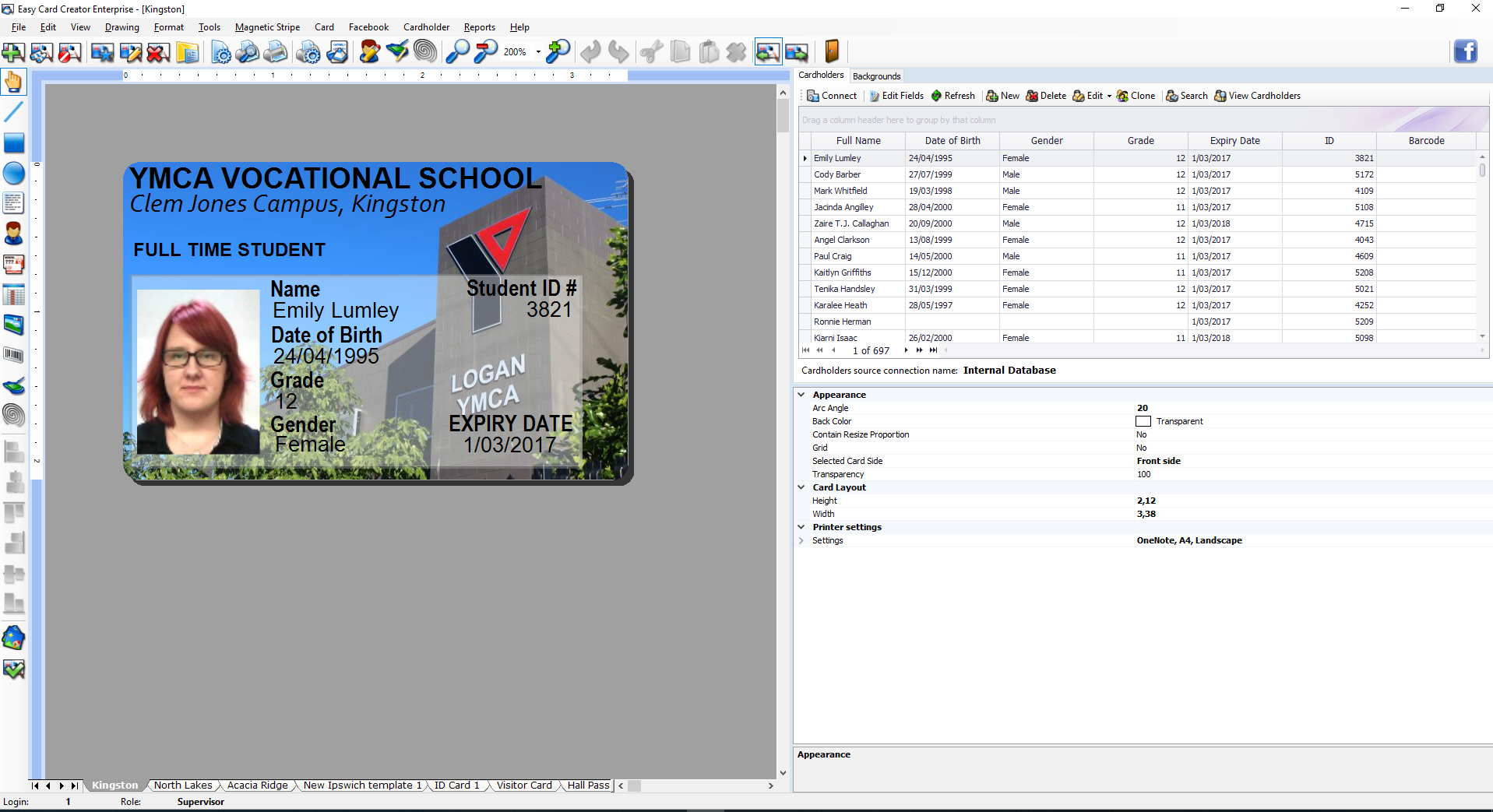
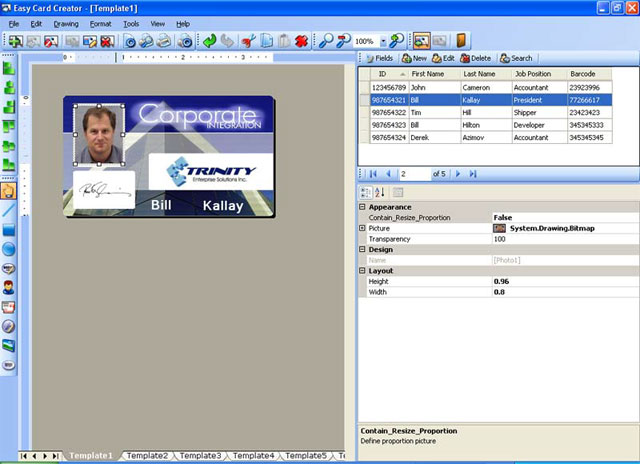
Described as the most versatile identity card design software available, our Photo ID solutions provide refreshingly advanced yet simple to work with graphical user interfaces.
If you are looking for ideal and affordable solution for you or your organization then this is the right place.
Easy Card Creator Features
Design Features
Predefined Card Sizes
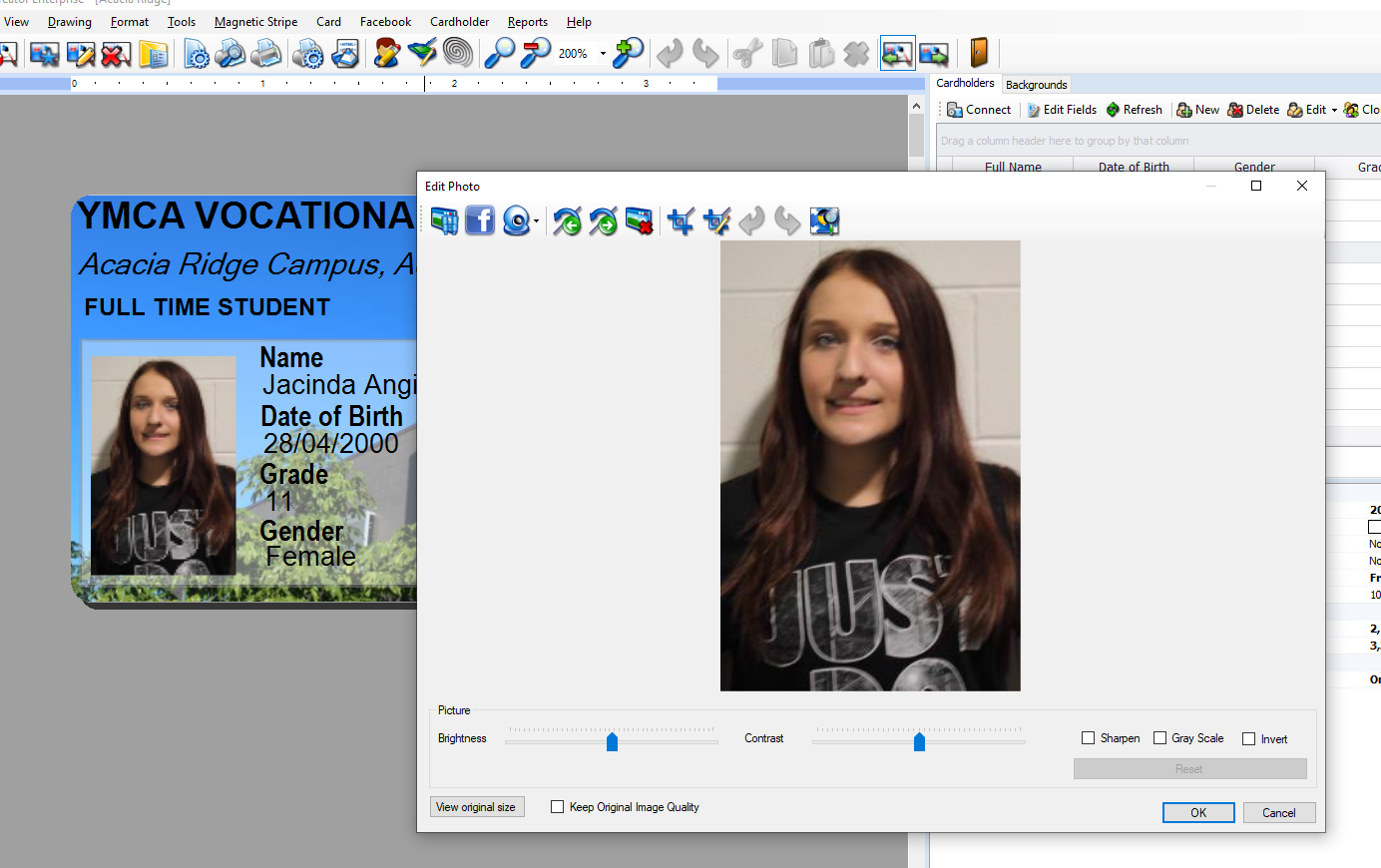
Image Editor
Magnetic Stripe Support
Printing Options
All Printers Support
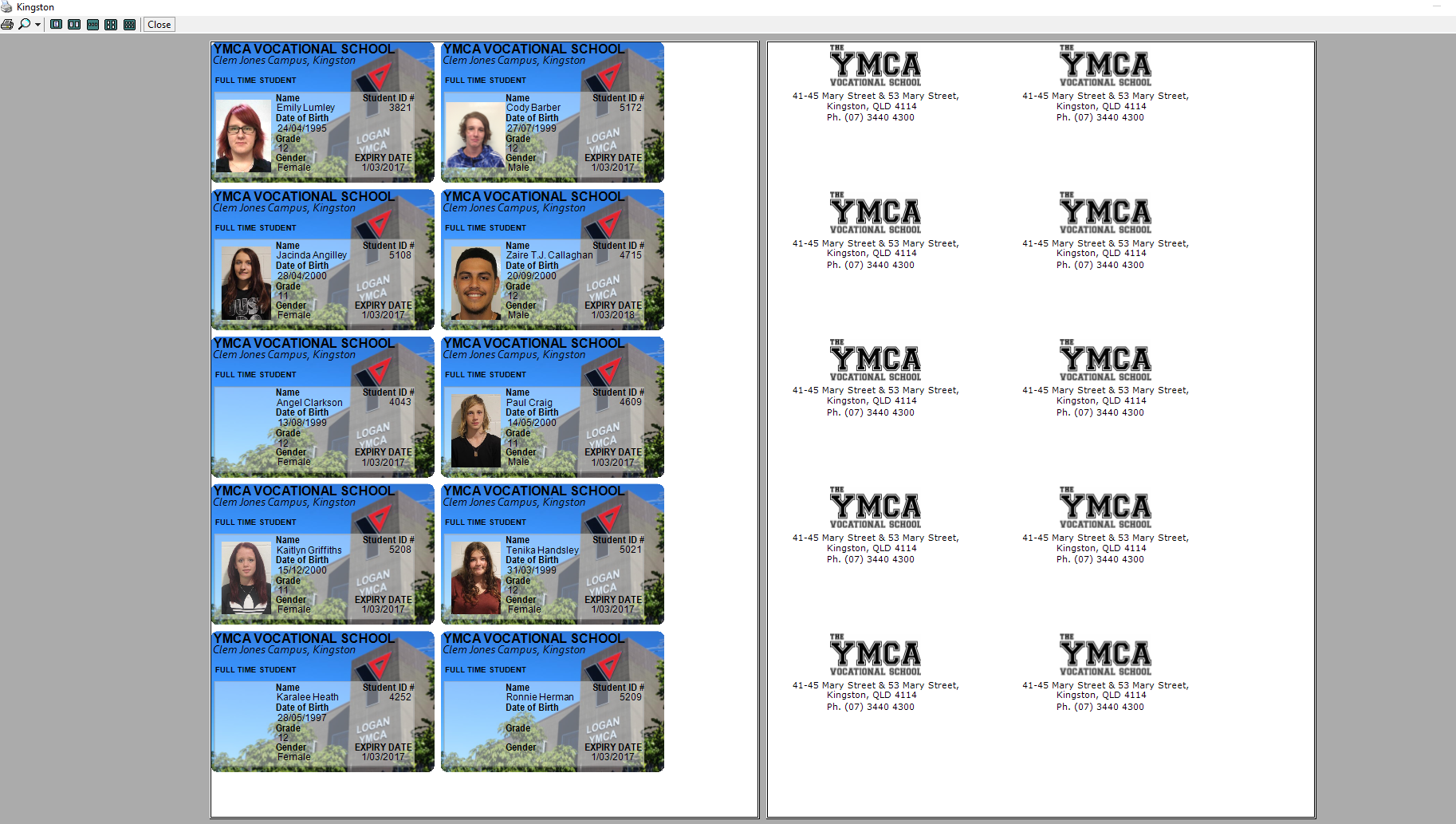
Batch Printing
Fold and Clip Paper Badges Support
Database Features
Different Datatype Support
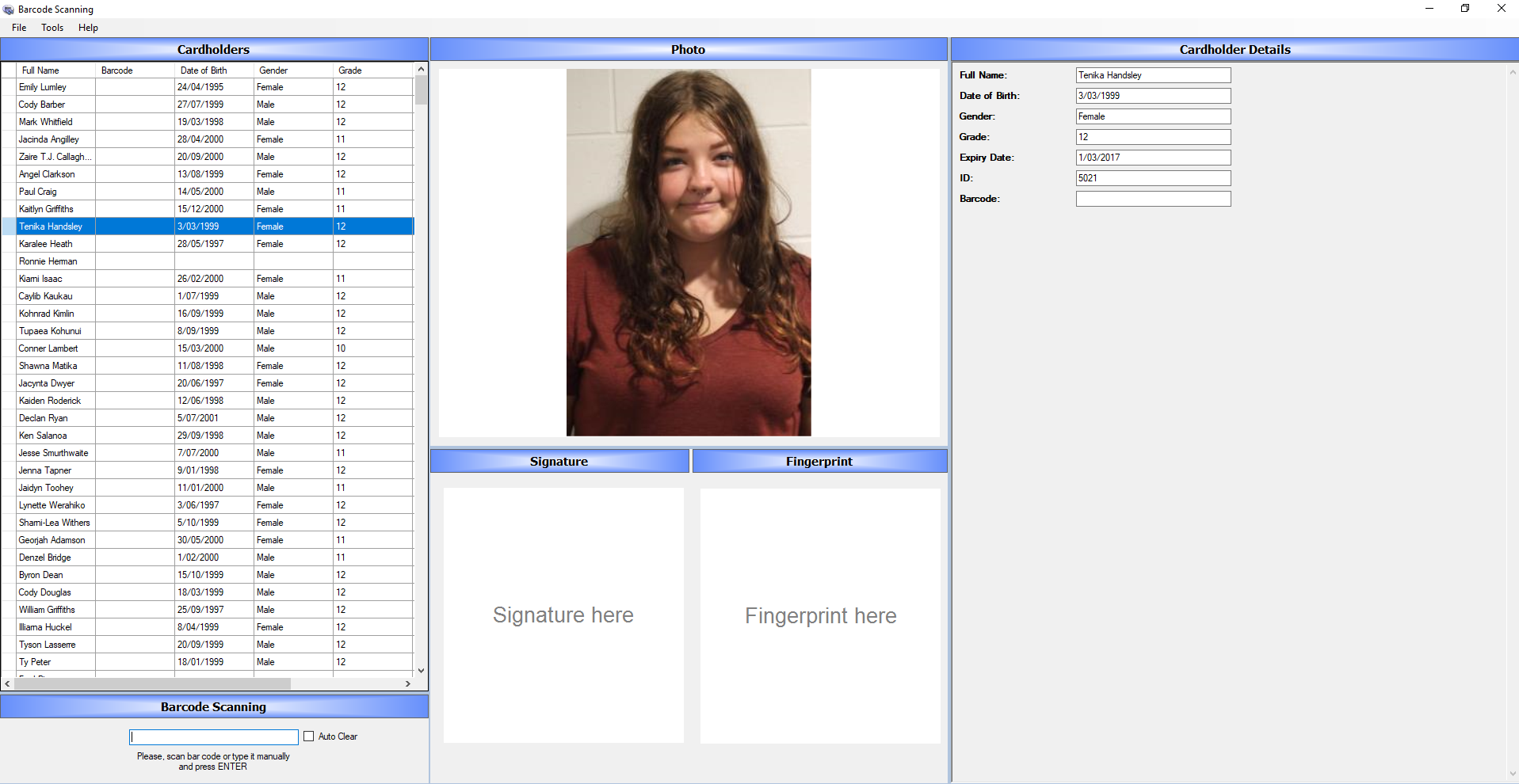
Customizable Fields
Different User Access Levels
The implementation of the Motion Picture Production Code (the Hays Code) in 1934 strictly regulated instances of nudity and sexual suggestiveness, temporarily pushing overt representations of youthful sexuality out of mainstream American cinema.
: On average, teenage viewers see approximately 143 incidents of sexual behavior on network TV each week. In children's programming, sexualizing content appears roughly 24 times per program, with 72% of that content targeting female characters. Music Videos
Highlighting active consent teaches audiences about healthy relationship dynamics. Audience Reception and Societal Impact
Global legal systems established strict age thresholds to distinguish between legal adult content and protected youth. In the United States, laws like the Child Protection Act and subsequent revisions heavily penalized any commercial media utilizing minors in sexually explicit contexts.
Perhaps the most radical shift in the past decade is not the media industry's depiction of teenage girls, but teenage girls' deployment of their own sexuality as a commercial asset. The rise of platforms like OnlyFans, TikTok, and Instagram has blurred the lines between influencer culture and sex work, normalizing the monetization of the self for a generation that has grown up online.
In early commercial media, depictions were strictly regulated. Artistic nudity was often tied to mythology or aesthetics rather than overt eroticism. The 1970s Censorship
Media serves as a mirror and a catalyst, reflecting societal anxieties while simultaneously pushing the boundaries of contemporary cultural norms.
: Commercial media frequently "adultifies" girls—using sophisticated hairstyles, makeup, and outfits to make them appear older. Studies found that 84.4% of analyzed images portrayed girls with at least one "adult" feature.
The 1990s and Early 2000s: The Rise of "Heroin Chic" and Pop Provocation
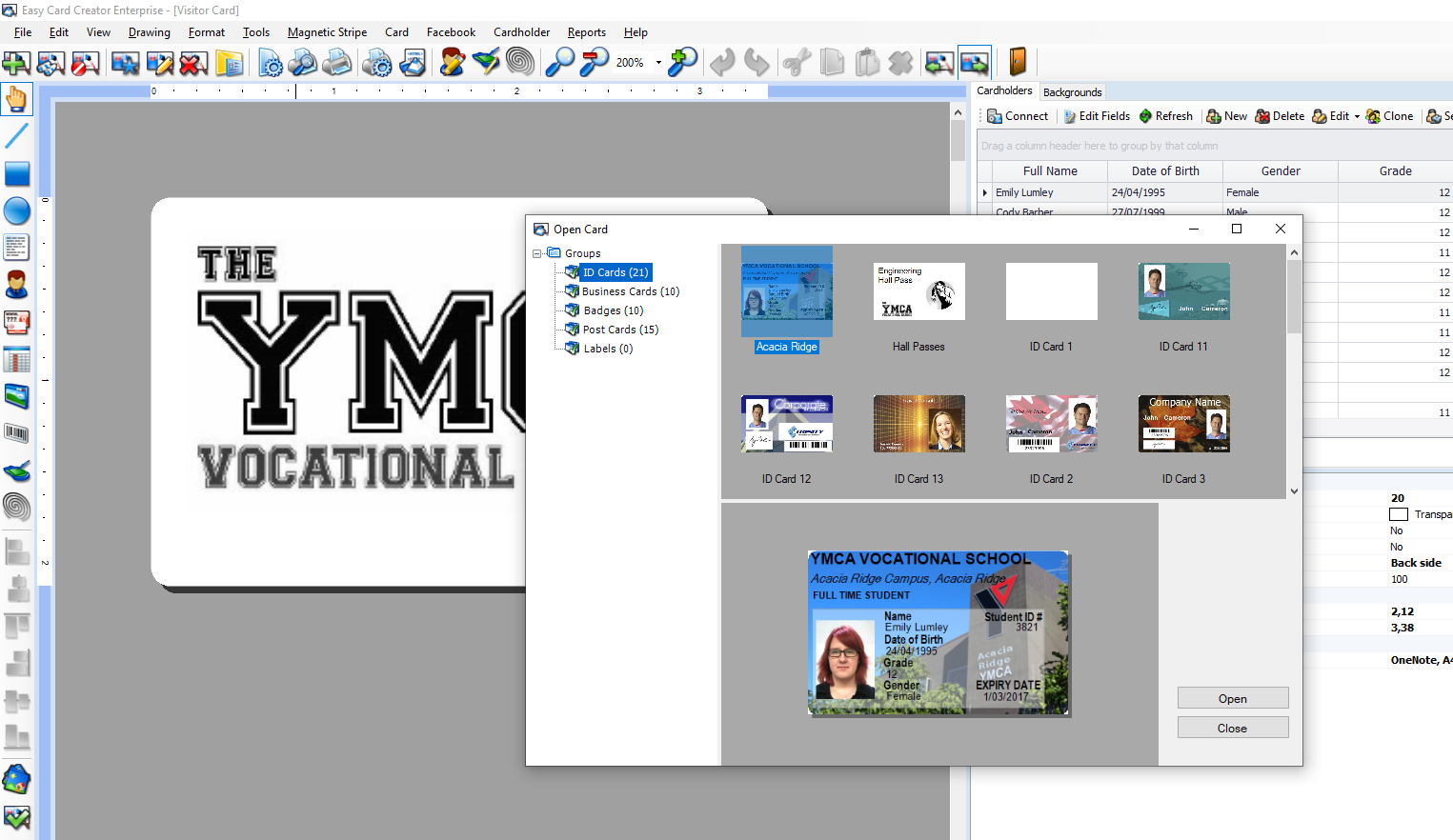
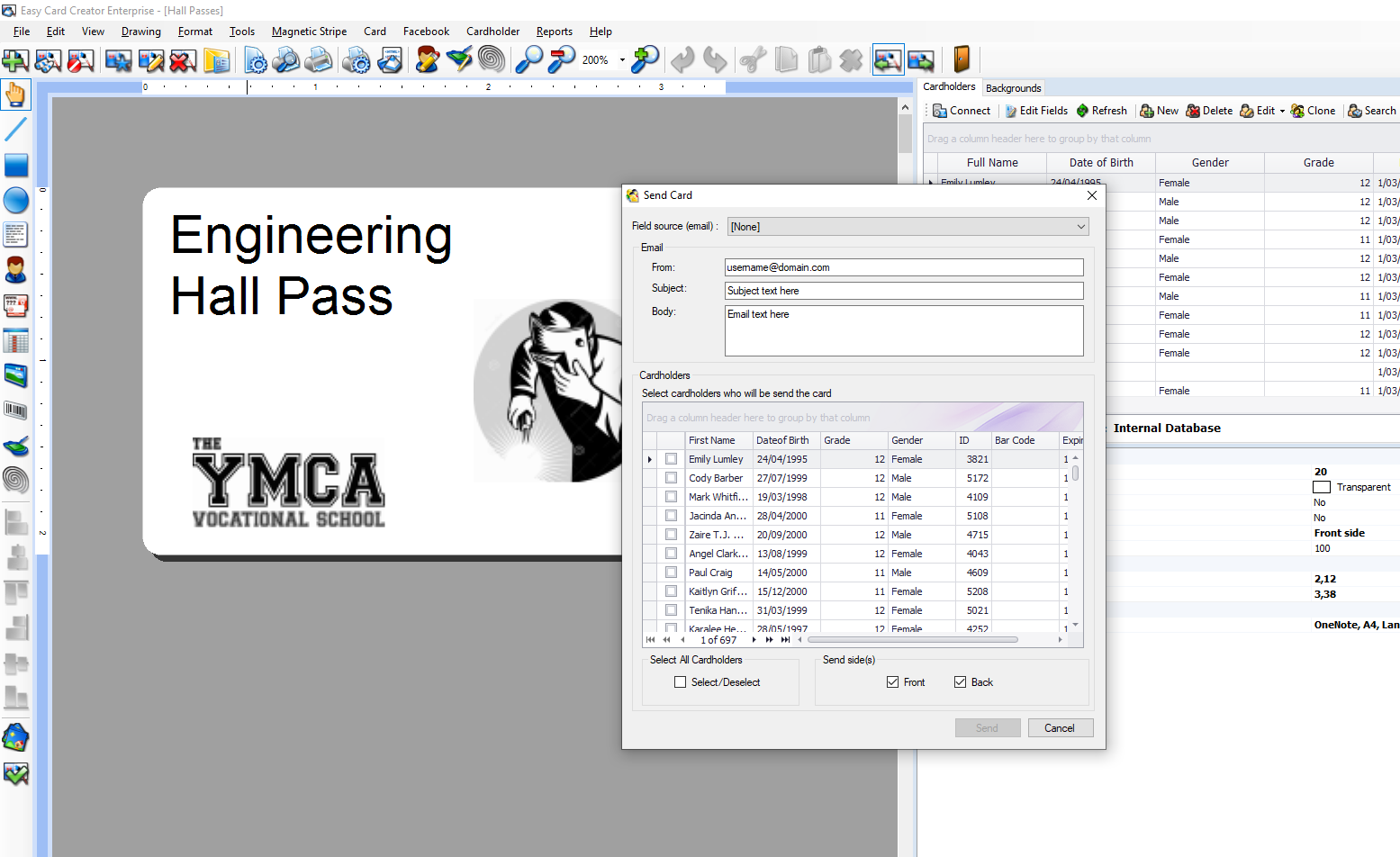
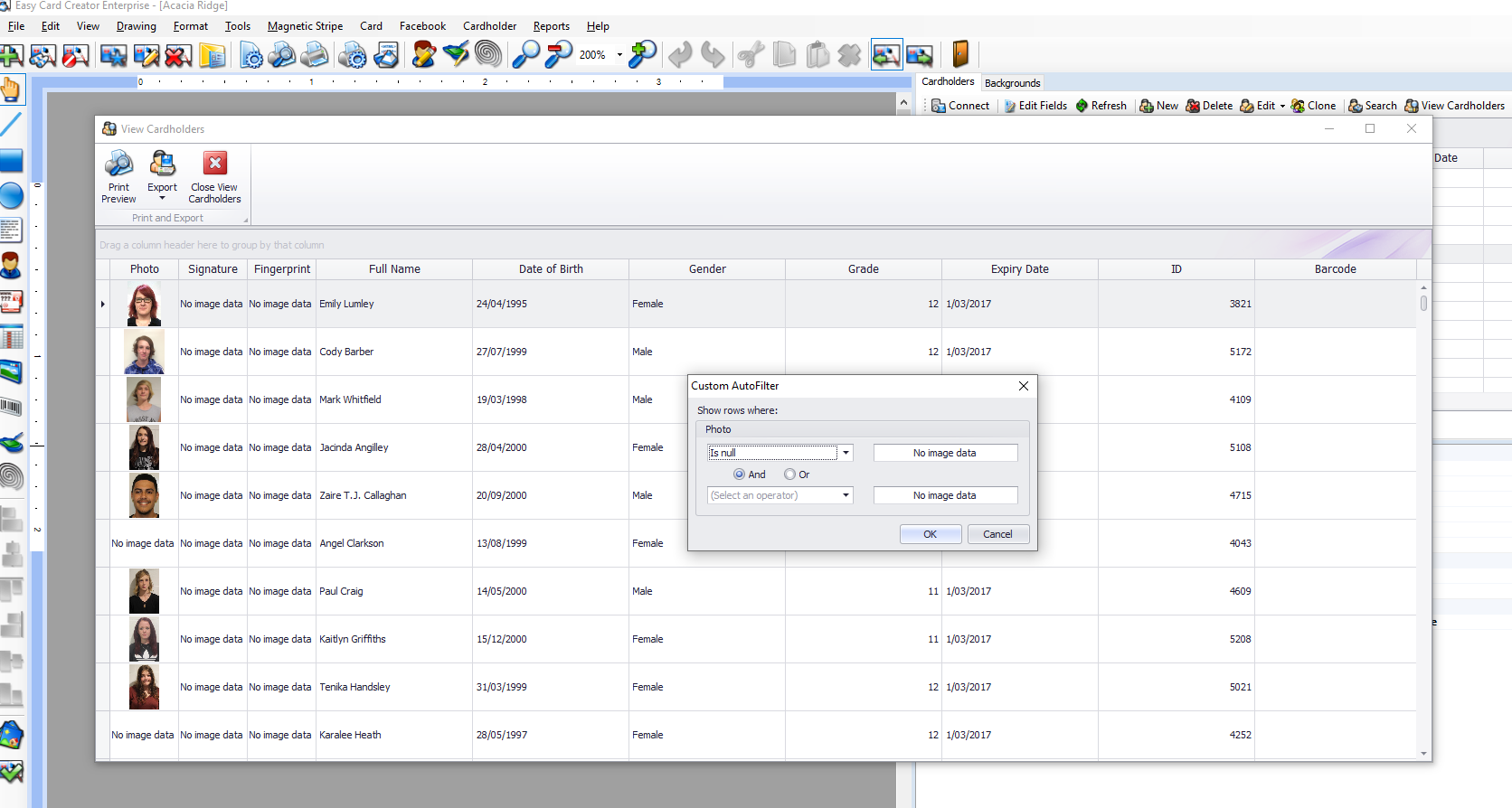
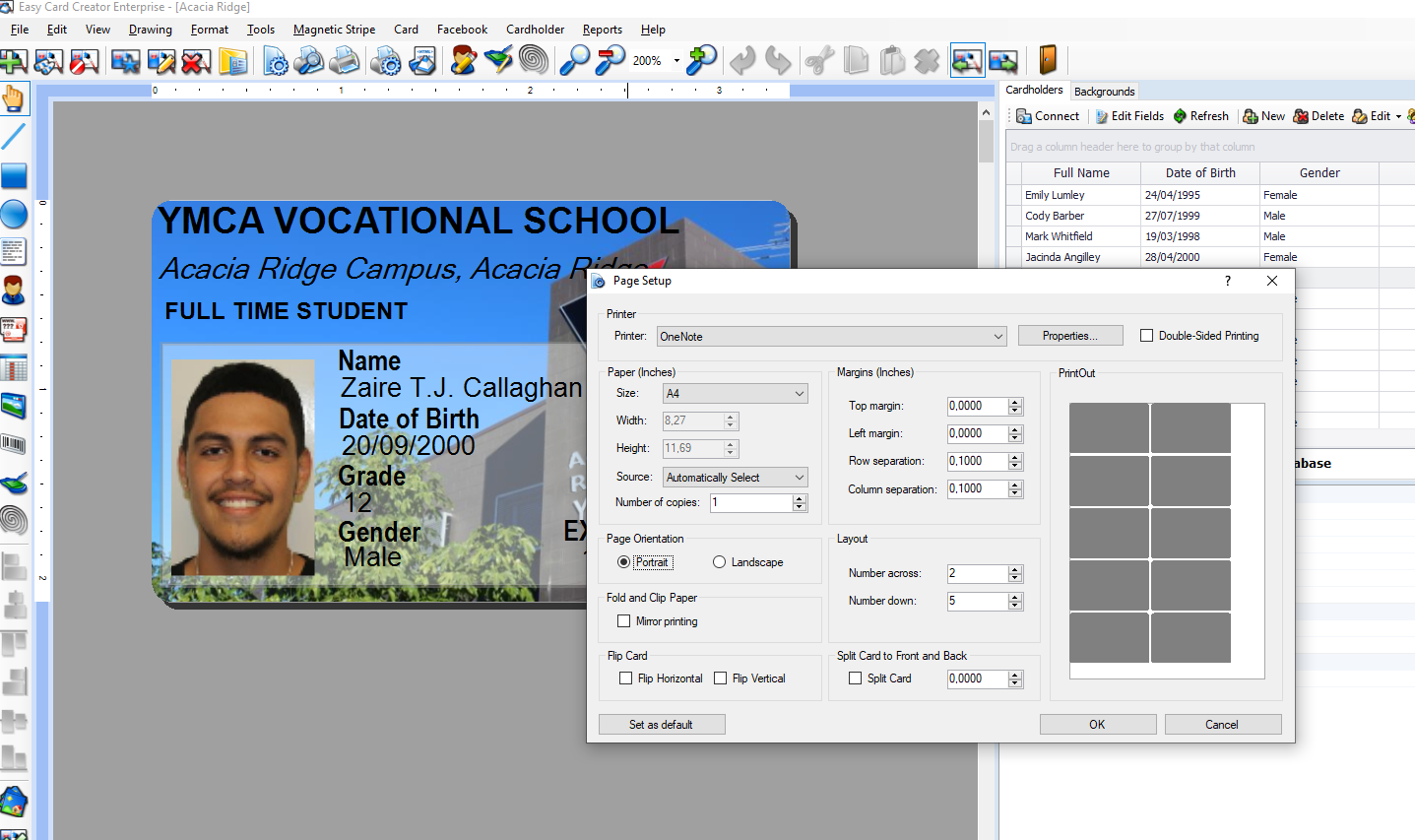
App Screenshots
Sexuality In Commercial Media Past To Present 14th Editiontxt Better - Teenage Female Nudity And
The implementation of the Motion Picture Production Code (the Hays Code) in 1934 strictly regulated instances of nudity and sexual suggestiveness, temporarily pushing overt representations of youthful sexuality out of mainstream American cinema.
: On average, teenage viewers see approximately 143 incidents of sexual behavior on network TV each week. In children's programming, sexualizing content appears roughly 24 times per program, with 72% of that content targeting female characters. Music Videos
Global legal systems established strict age thresholds to distinguish between legal adult content and protected youth. In the United States, laws like the Child Protection Act and subsequent revisions heavily penalized any commercial media utilizing minors in sexually explicit contexts.
Perhaps the most radical shift in the past decade is not the media industry's depiction of teenage girls, but teenage girls' deployment of their own sexuality as a commercial asset. The rise of platforms like OnlyFans, TikTok, and Instagram has blurred the lines between influencer culture and sex work, normalizing the monetization of the self for a generation that has grown up online. Perhaps the most radical shift in the past
In early commercial media, depictions were strictly regulated. Artistic nudity was often tied to mythology or aesthetics rather than overt eroticism. The 1970s Censorship
Media serves as a mirror and a catalyst, reflecting societal anxieties while simultaneously pushing the boundaries of contemporary cultural norms. depictions were strictly regulated.
: Commercial media frequently "adultifies" girls—using sophisticated hairstyles, makeup, and outfits to make them appear older. Studies found that 84.4% of analyzed images portrayed girls with at least one "adult" feature.
The 1990s and Early 2000s: The Rise of "Heroin Chic" and Pop Provocation
FREE Download
Our new TRIAL FREE DOWNLOAD process enables you to evaluate the installed trial version and then convert it to an unrestricted version by purchasing it and registering your software license. Our ID Software trial includes all the features available in a licensed copy. You will be able to design and print your employee cards, name badges and labels and you will have "TRIAL" printed on all the cards. The trial version will expire 14 days after you install it. Once the trial period is over, you may purchase Easy Card Creator ID Software online.


 Download