- Mallu Resmi R Nair Fuck Taking... =link=: Xwapseries.lat
To understand Malayalam cinema is to understand Kerala itself—a land characterized by high literacy rates, a history of progressive social reforms, rich performance arts, and a unique geographic landscape nestled between the Western Ghats and the Arabian Sea.
The characters were not larger-than-life superheroes; they were ordinary middle-class individuals dealing with everyday anxieties. Actors like Mohanlal and Mammootty rose to superstardom not by playing invincible protagonists, but by portraying flawed, vulnerable men facing real-world dilemmas. This mirrored the egalitarian mindset of Kerala culture, where humility and intellectual depth are valued over flashy displays of wealth. Political Consciousness and Satire
The artistic identity of Malayalam cinema is deeply anchored in Kerala's rich literary heritage. During the mid-20th century, a powerful realist movement swept through Malayalam literature, led by legendary writers like Vaikom Muhammad Basheer, Thakazhi Sivasankara Pillai, and M. T. Vasudevan Nair. When the film industry began to mature in the 1950s and 1960s, it bypassed standard melodramatic tropes, drawing instead directly from these literary masterpieces. XWapseries.Lat - Mallu Resmi R Nair Fuck Taking...
The core of Malayalam cinema's appeal lies in its commitment to "groundedness." Even when working with smaller budgets compared to Bollywood, filmmakers emphasize meticulous detail in language, location, and cultural representation.
To understand Malayalam cinema, you must first understand Kerala. The state boasts the highest literacy rate in India, a historically matrilineal tradition in certain communities, strong labor movements, and a landscape that shifts seamlessly from lush backwaters to dense forests to urban sprawl. To understand Malayalam cinema is to understand Kerala
Malayalam cinema is a living reflection of Kerala's soul. It is constantly evolving alongside the culture, embracing modern technology and diverse narratives while staying grounded in the unique cultural, social, and aesthetic ethos of God’s Own Country. Its success lies not in copying others, but in holding a mirror to itself.
Take Elipathayam (The Rat Trap) by Adoor Gopalakrishnan. It uses a decaying feudal landlord who is obsessed with rats to symbolize the death of the Nair tharavadu (ancestral home). The culture of joint families , sambandham (matrilineal alliances), and the slow decay of feudal values is dissected with surgical precision. This mirrored the egalitarian mindset of Kerala culture,
Start with Kumbalangi Nights (for family dynamics), The Great Indian Kitchen (for social commentary), Nayattu (for political thriller), and 2018 (for cultural resilience). Watch them with subtitles, and pay attention to the background noise—you'll hear the real Kerala.
Classics like Varavelpu (1989) and Pathemari (2015) highlighted the grueling sacrifices of non-resident Keralites (NRKs) and the economic pressures they faced from dependent families back home.
Why Choose GiliSoft Video Editor Pro?
One workflow for editing, subtitles, overlays, and audio
It combines trimming, joining, subtitles, mosaic, blur, dubbing, transitions, and export preparation in one editor instead of forcing app switching.
Built for both fast edits and polished exports
Quick clip cleanup and fuller production tasks can stay in the same product, which makes it practical for both daily work and more presentable delivery.
Supports modern creator and business video tasks
Aspect-ratio changes, subtitles, overlays, chroma key, GIF export, and cleaner compression workflows make it useful for social, training, and product content.
Keeps broad editing control approachable on Windows
It gives users more room than a single-purpose tool without forcing them into a much heavier professional editing stack first.
To understand Malayalam cinema is to understand Kerala itself—a land characterized by high literacy rates, a history of progressive social reforms, rich performance arts, and a unique geographic landscape nestled between the Western Ghats and the Arabian Sea.
The characters were not larger-than-life superheroes; they were ordinary middle-class individuals dealing with everyday anxieties. Actors like Mohanlal and Mammootty rose to superstardom not by playing invincible protagonists, but by portraying flawed, vulnerable men facing real-world dilemmas. This mirrored the egalitarian mindset of Kerala culture, where humility and intellectual depth are valued over flashy displays of wealth. Political Consciousness and Satire
The artistic identity of Malayalam cinema is deeply anchored in Kerala's rich literary heritage. During the mid-20th century, a powerful realist movement swept through Malayalam literature, led by legendary writers like Vaikom Muhammad Basheer, Thakazhi Sivasankara Pillai, and M. T. Vasudevan Nair. When the film industry began to mature in the 1950s and 1960s, it bypassed standard melodramatic tropes, drawing instead directly from these literary masterpieces.
The core of Malayalam cinema's appeal lies in its commitment to "groundedness." Even when working with smaller budgets compared to Bollywood, filmmakers emphasize meticulous detail in language, location, and cultural representation.
To understand Malayalam cinema, you must first understand Kerala. The state boasts the highest literacy rate in India, a historically matrilineal tradition in certain communities, strong labor movements, and a landscape that shifts seamlessly from lush backwaters to dense forests to urban sprawl.
Malayalam cinema is a living reflection of Kerala's soul. It is constantly evolving alongside the culture, embracing modern technology and diverse narratives while staying grounded in the unique cultural, social, and aesthetic ethos of God’s Own Country. Its success lies not in copying others, but in holding a mirror to itself.
Take Elipathayam (The Rat Trap) by Adoor Gopalakrishnan. It uses a decaying feudal landlord who is obsessed with rats to symbolize the death of the Nair tharavadu (ancestral home). The culture of joint families , sambandham (matrilineal alliances), and the slow decay of feudal values is dissected with surgical precision.
Start with Kumbalangi Nights (for family dynamics), The Great Indian Kitchen (for social commentary), Nayattu (for political thriller), and 2018 (for cultural resilience). Watch them with subtitles, and pay attention to the background noise—you'll hear the real Kerala.
Classics like Varavelpu (1989) and Pathemari (2015) highlighted the grueling sacrifices of non-resident Keralites (NRKs) and the economic pressures they faced from dependent families back home.






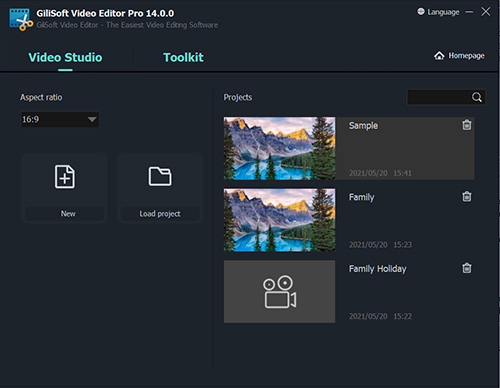
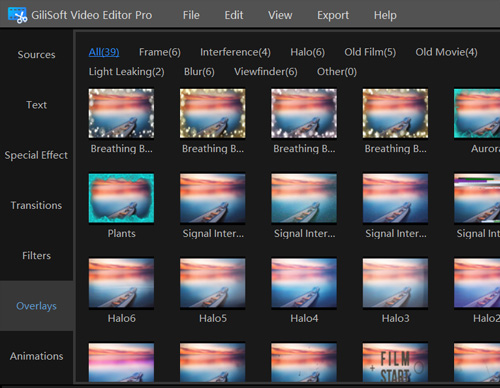

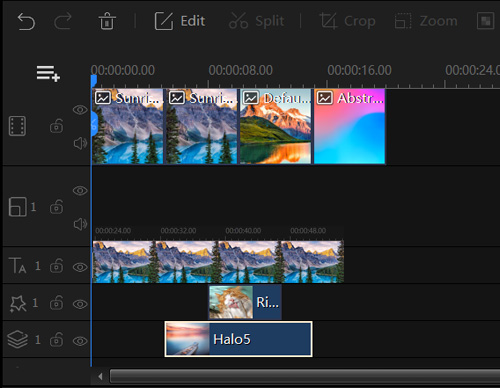


 Editors highlighted practical timeline workflows for cutting, subtitles, overlays, and effects. Coverage noted a useful balance between fast operation and more detailed editing control.